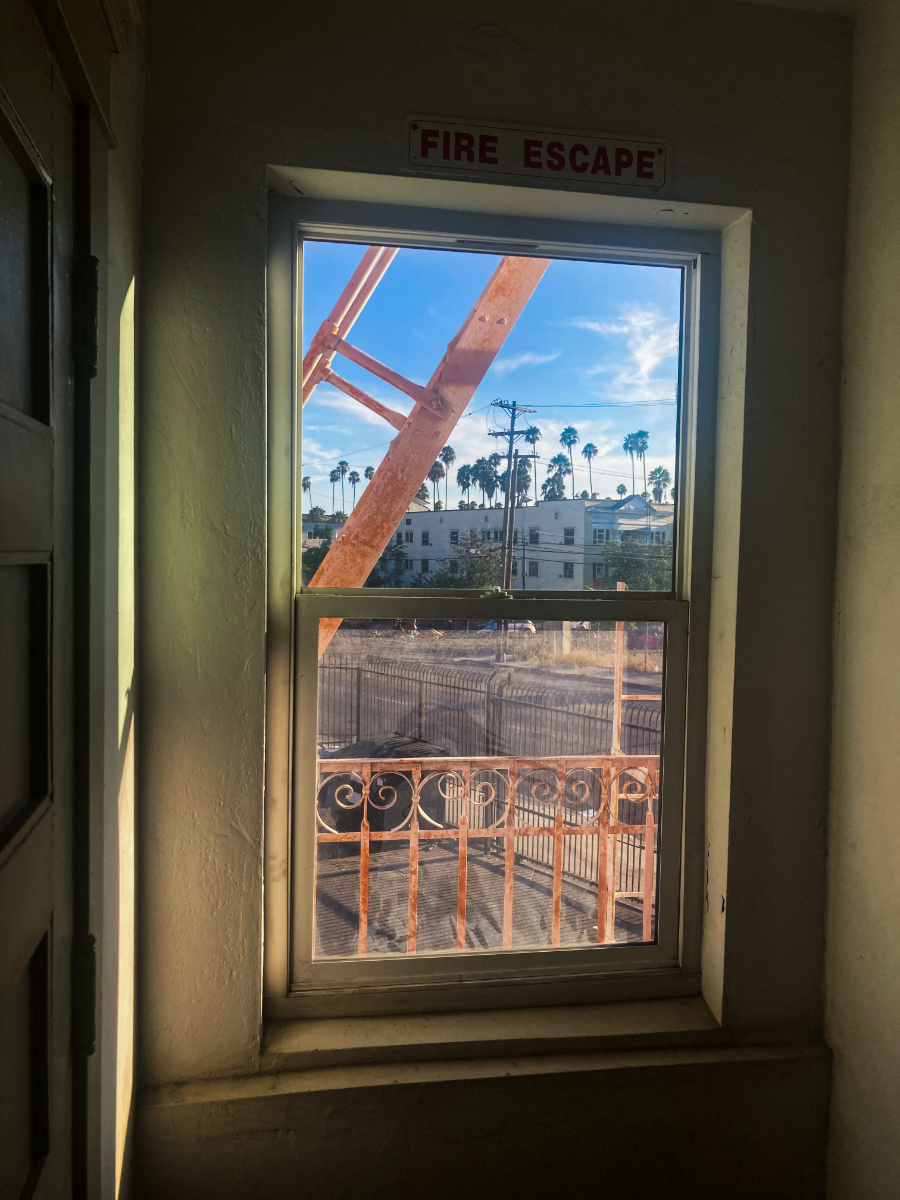
New Views (Hoover Street)
New Views (Hoover Street)
Sometimes I think poetry will be the only art form that resonates from this era, the only thing that lasts. When you have too much of something, it becomes less valuable—and right now, even if we were to exclude all the AI filling the internet with slop, the mere technology jump we’ve had over the last 30 years has created an excess of available art. When art was regional, restricted by geography and analog methods of reproduction, sharing it was an experience in and of itself that became an integral part of culture.
Now with billions of interconnected screens, experiencing something new, and possibly profound, isn’t so much a desire, opportunity, or possibility—but an expectation. (Even worse is that experience is now integrated directly into the mechanics of capitalism.) The part of us, as humans, that can be affected by the inspiration of another person (and therefore building a sense of connection at a deep, spiritual level) is being bulldozed by a grotesque combination of algorithms and advertisements.
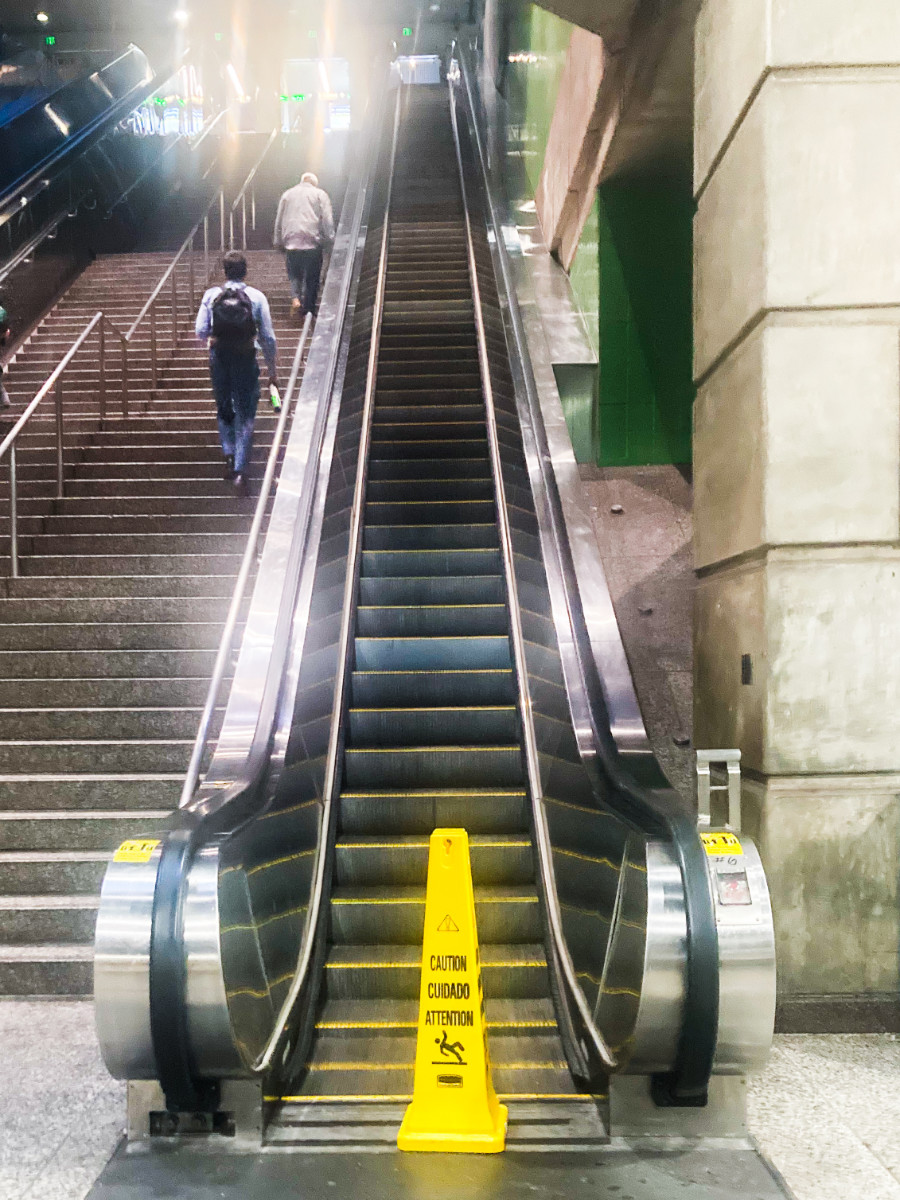
Thanks Metro (Wilshire / Vermont)
Thus, I think poetry probably matters most in this moment. The best poets are able to connect the dots of the human experience emotionally and physically with both the observable and ethereal aspects of reality that I don’t think any machine could ever reproduce. The one thing humanity will always have advantage of over any coded invention is a soul, and though all art forms can represent that depth of feeling alive, the best poems can touch the surface of what it means to be human, as opposed to what it feels like.
(Maybe I’ve just been putting off watching that Mary Oliver documentary for too long, a mistake I’ll rectify this week.)
It doesn’t have to be
the blue iris, it could be
weeds in a vacant lot, or a few
small stones; just
pay attention, then patcha few words together and don’t try
to make them elaborate, this isn’t
a contest but the doorwayinto thanks, and a silence in which
another voice may speak.—Mary Oliver, “Praying”
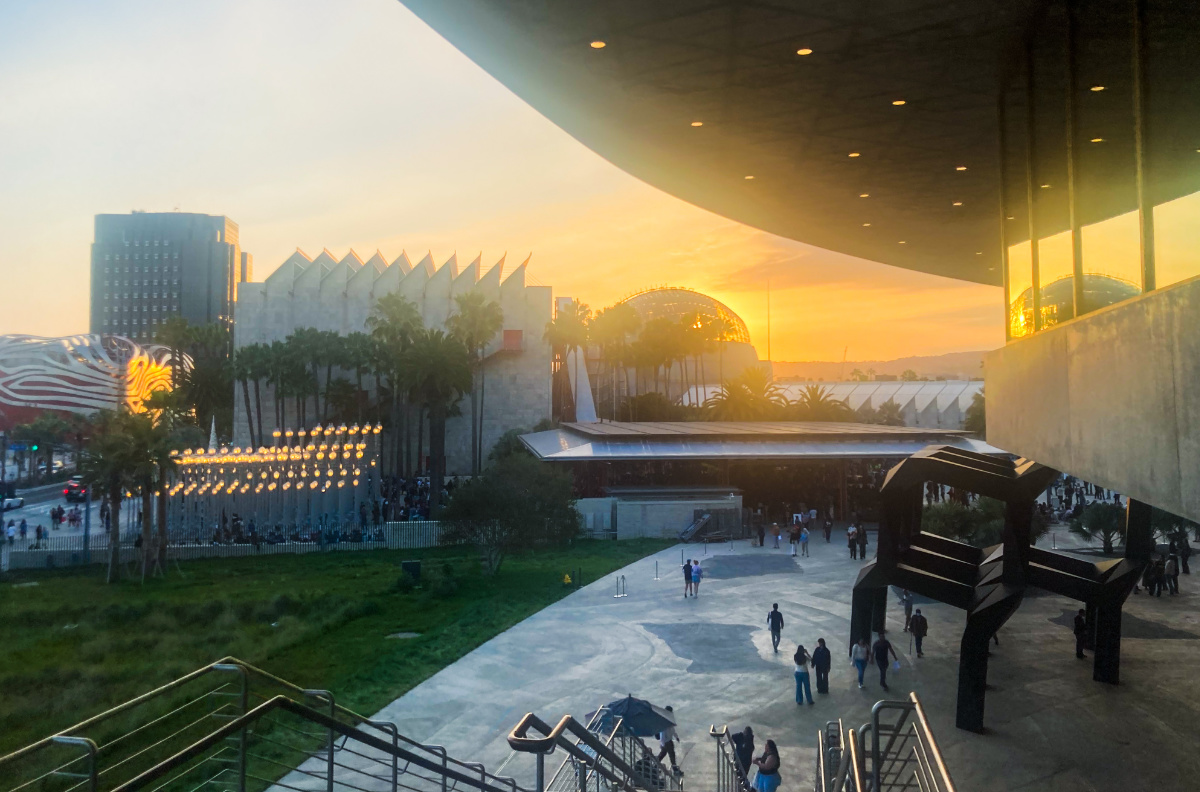
The view from the new David Geffen Galleries
I’ve been spending some time at LACMA since the opening of the David Geffen Galleries earlier this summer. It’s nothing short of remarkable and easily has inserted itself into the conversation of not only the best art museum in Los Angeles, but possibly the entire west coast. (SFMOMA might still be on top and remains the only good thing about San Francisco—although the museum’s recent use of AI in a Google-sponsored exhibit certainly works against it.)
Conveniently enough, LA Metro debuted the D-Line expansion around the same time as the new galleries opened, making it even easier to get to mid-city. Returning home one night from the museum on the train, a guy in the group of friends next to me exclaimed, “I can’t believe we just got from La Brea to K-Town in two minutes. That’s insane.” (This is a trip that would take at least 15 minutes driving traffic-free.)
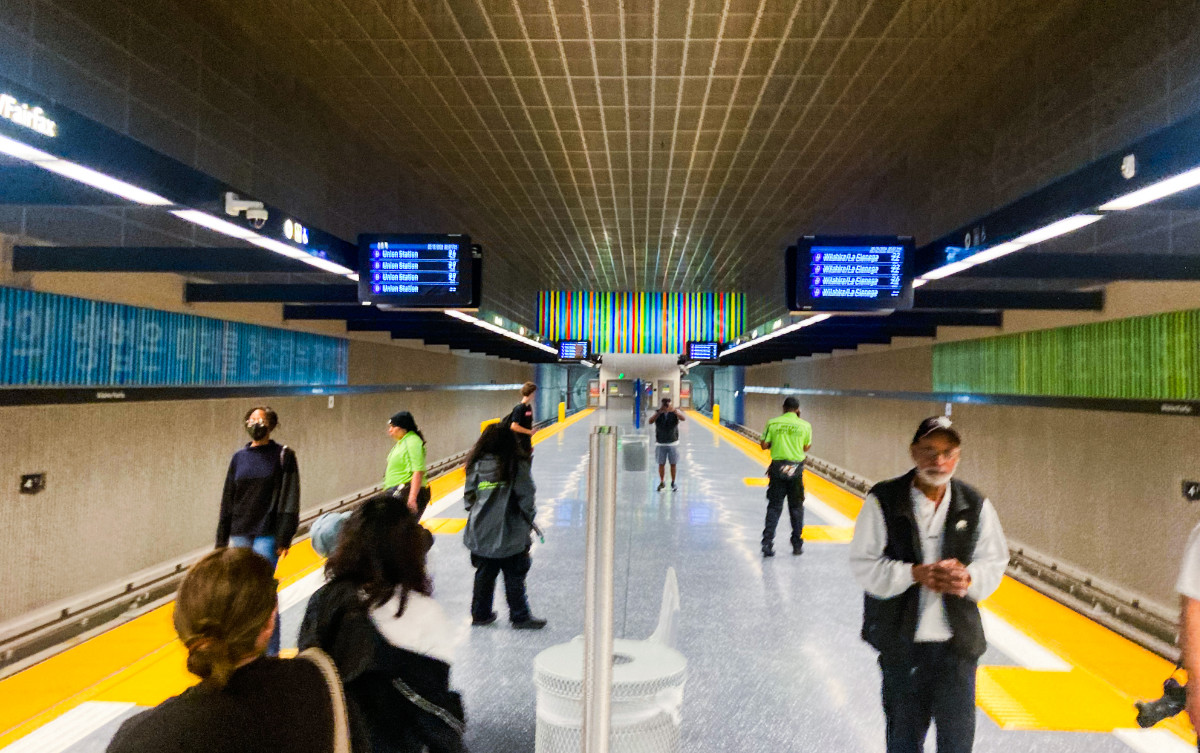
The new Metro station at Wilshire / Fairfax
These two expansions are probably the best thing to happen to LA since I moved here in 2020 and are desperate reminders how the places we live in the United States are sorely lacking for growth, be it in infrastructure, housing, or third spaces. The LACMA opening weekend brought in 60,000 visitors while the new Metro line lead to the highest ridership in six years.
It’s tough to watch countries like China undertake drastic urban development while the city council and mayor of Los Angeles worked to block new housing just last year. Politicians in the United States aren’t exactly known for getting things done, but it seems these days most are actively working against doing things for the people who elect them.
It’s just disheartening to see such positive response to a couple local changes to culture and public transit while so much of our city budget goes to the LAPD and our federal dollars to war and genocide and more cops. It isn’t difficult to imagine how much better life could be, but living in America, it just feels so out of reach.