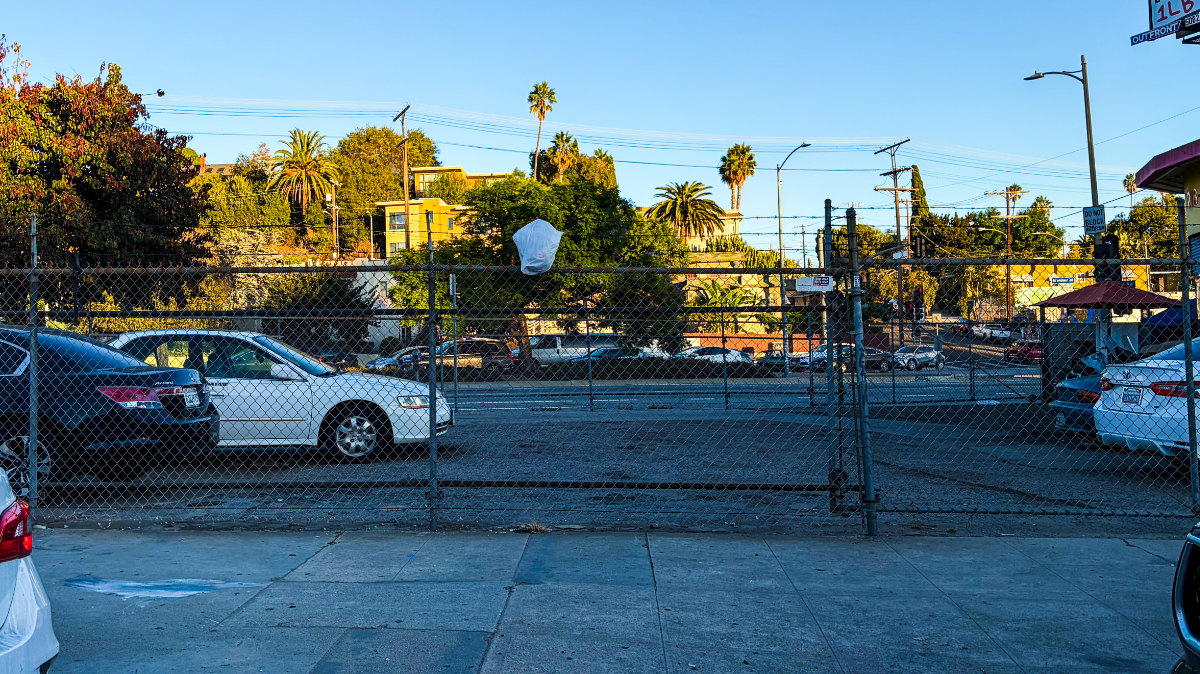
Alvarado
Alvarado
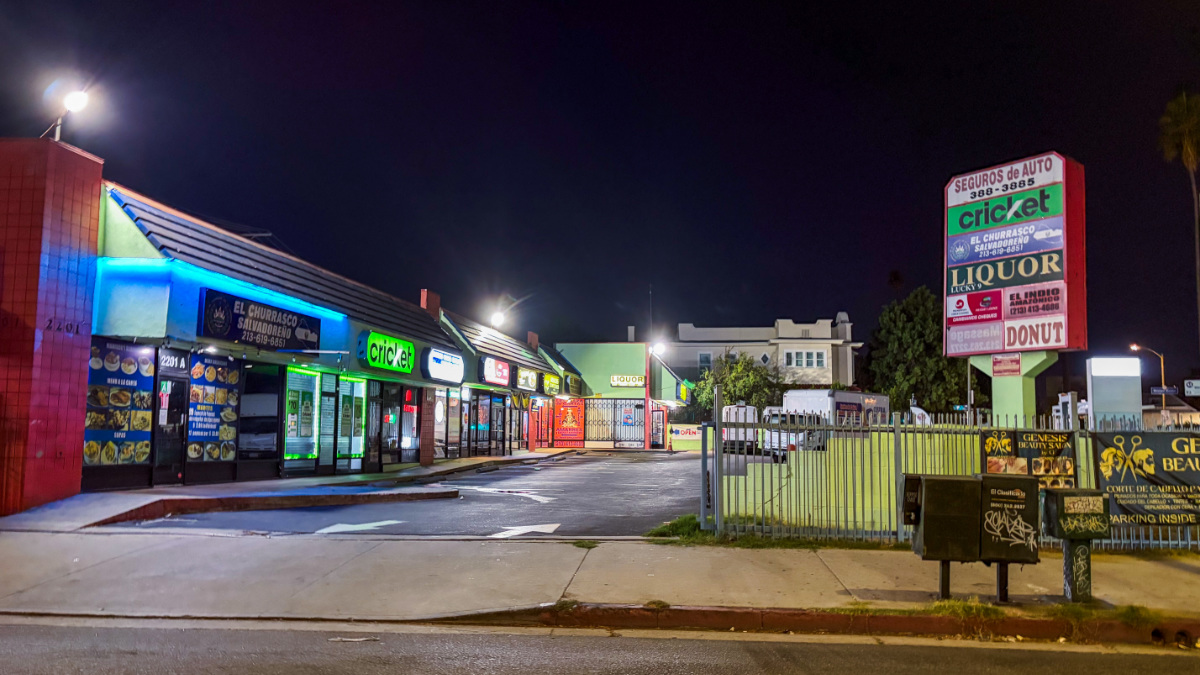
Pico and Hoover
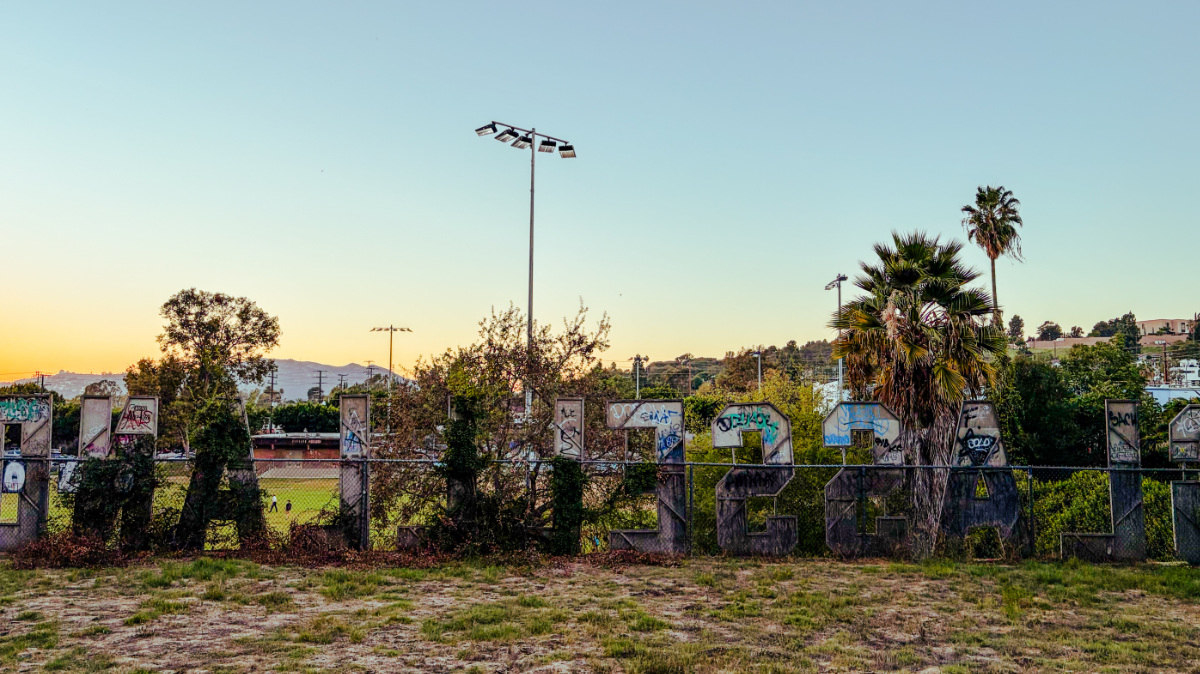
Glassellland
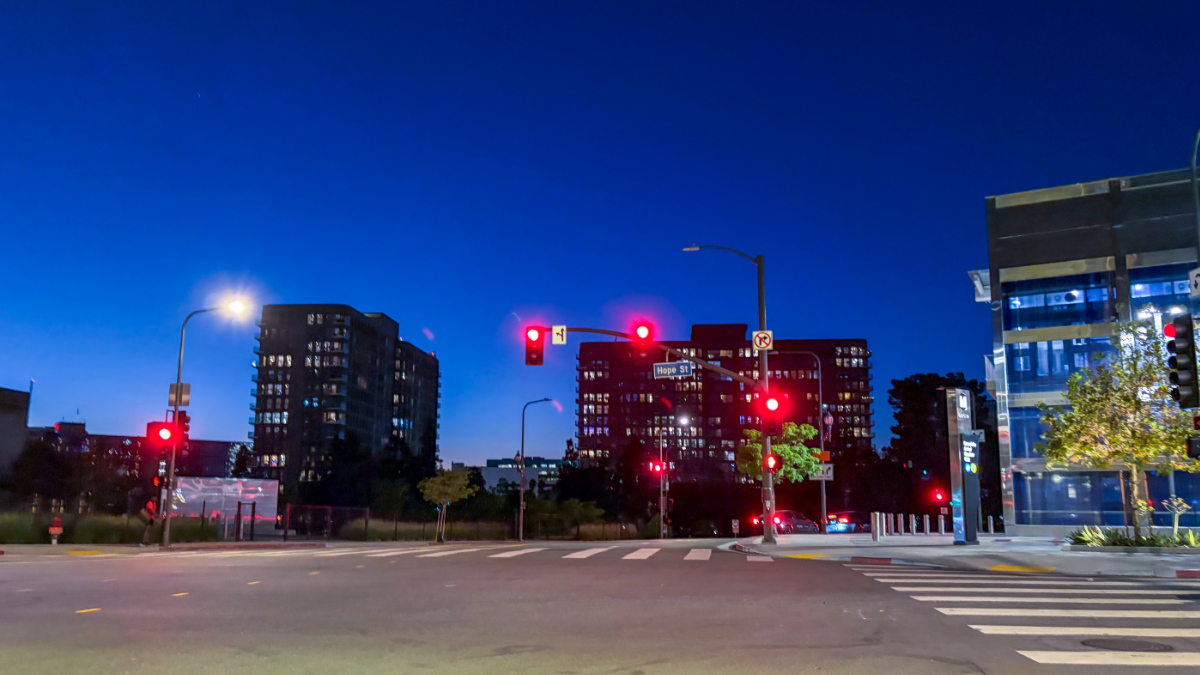
Hope
A few from driving around lately.
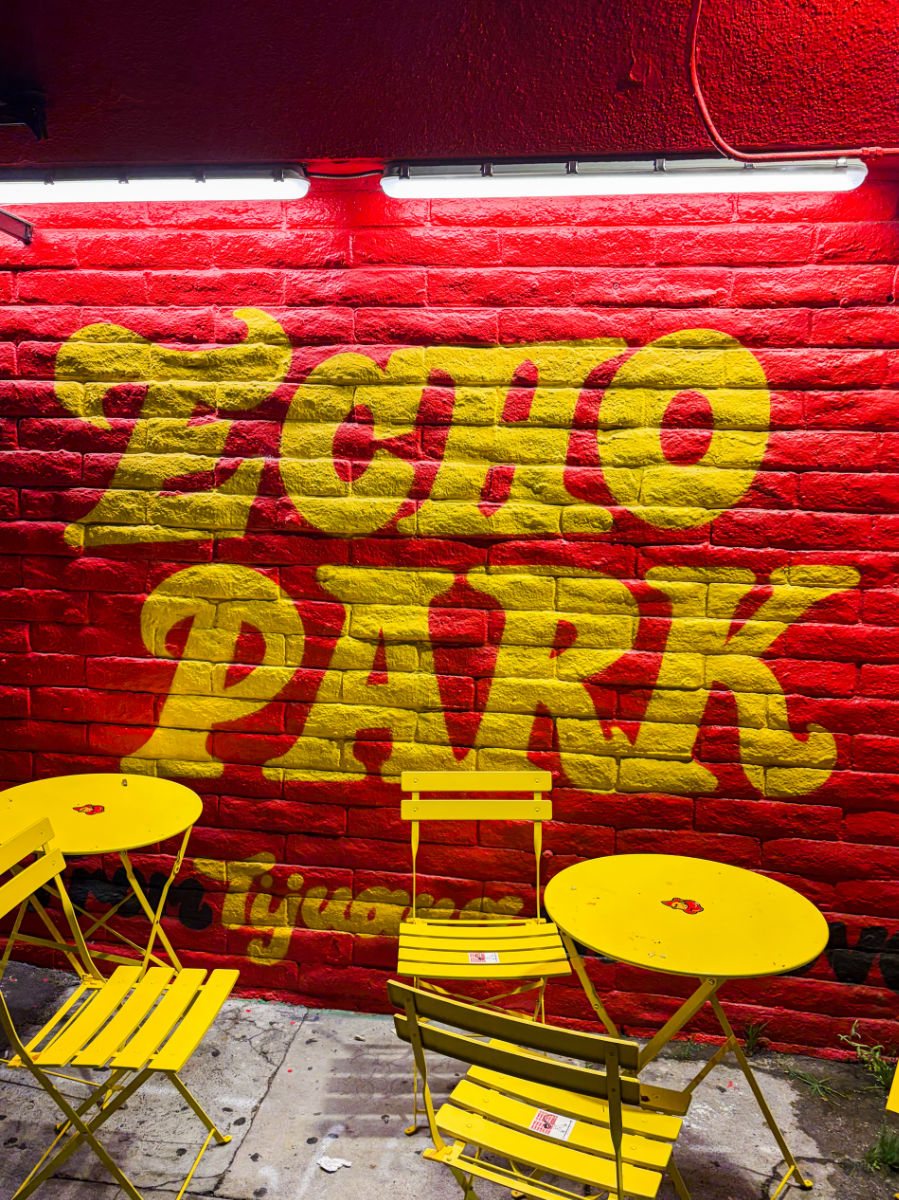
Saturday night vibes
Pretty sure they call it Echo Park because when you drive there on a Saturday night you circle blocks in outward patterns until you can luck out and find a spot.
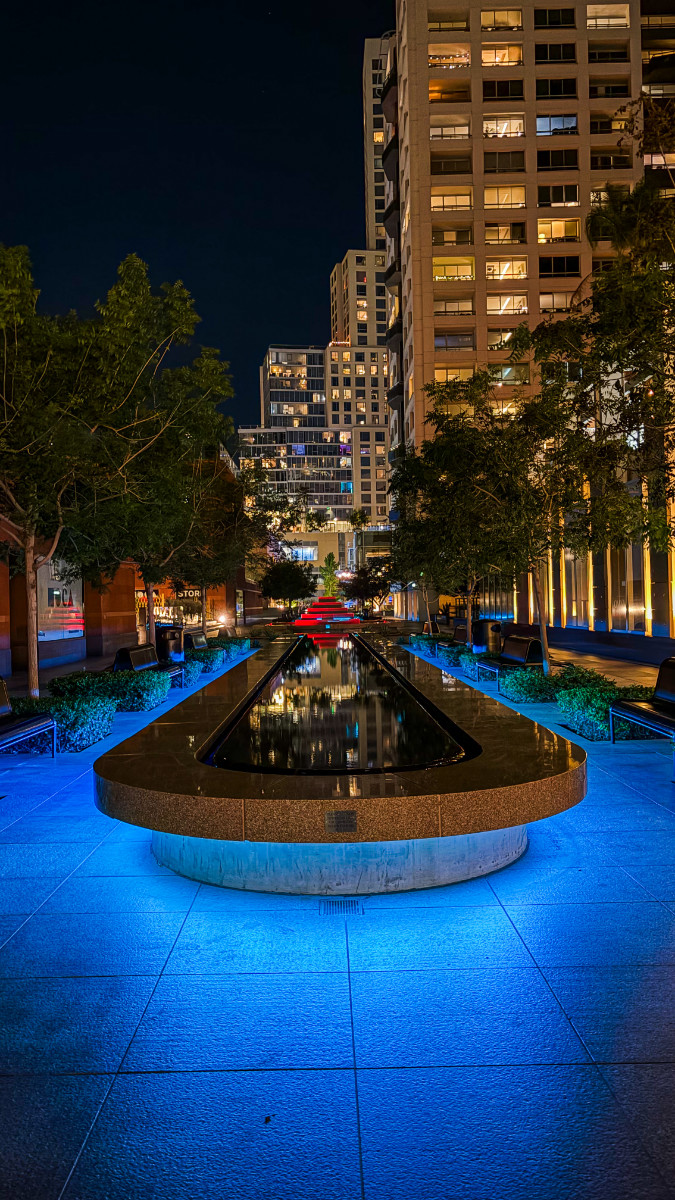
Behind MOCA
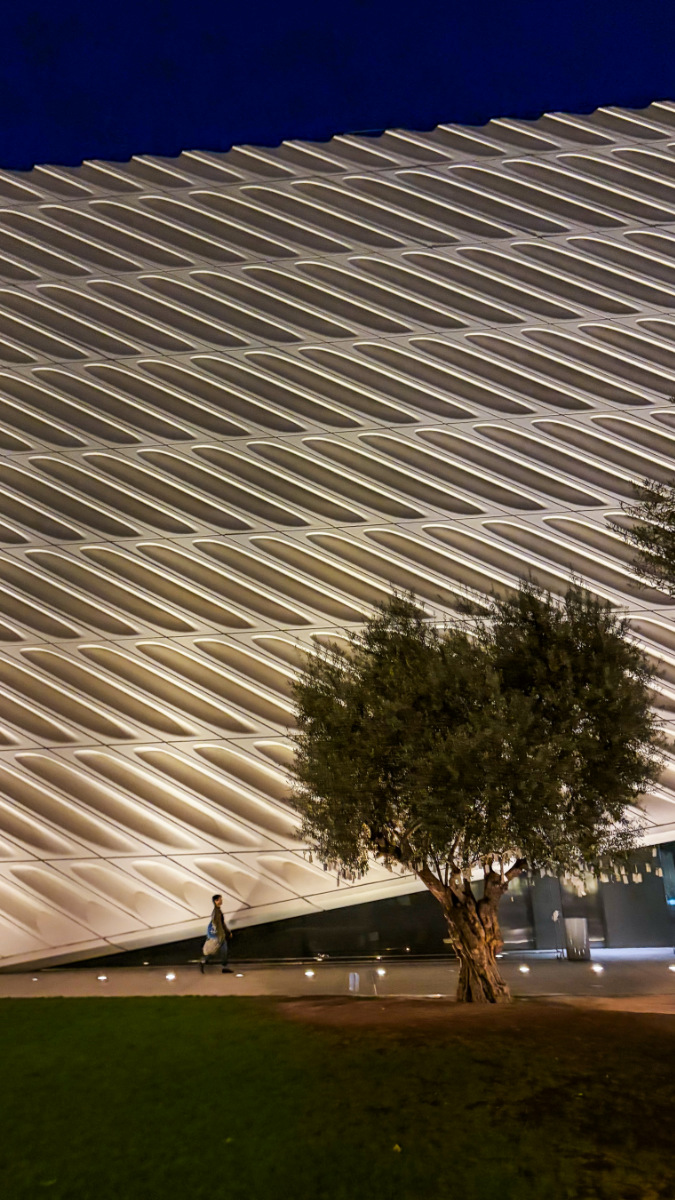
The Broad
Downtown LA is the strangest metropolitan center I’ve ever seen. During the day there are cars everywhere. The freeways surrounding the area are packed, someone is always honking at a stoplight, the busses maneuver around cyclists. But the people? Almost the opposite. A few areas, like the 7th street Metro station or Little Tokyo, have a fair amount of foot traffic but a substantial amount of the city is proportionally sparse compared to New York (or even a smaller city like Boston or San Francisco).
At night, it’s even emptier. I was early for a concert Monday night so I walked around for half an hour or so and saw maybe a total of ten people, most of whom were walking their dog. Granted, I was up by the museums where there aren’t really any restaurants open but it’s a pretty common sight all over—unless you’re on a block where there’s a venue with a performance scheduled, you’d probably be able to count the amount of people you see on one hand.
I’ve heard downtown wasn’t like this before the pandemic but I don’t have a reference for that. Maybe it’s because this is such a car-centric city, you don’t have people generally walking from subway stations to a destination in any given neighborhood, and the closest most people come to public interaction is seeing someone through the window of a car. But it’s still very strange and emphasizes a certain loneliness one can feel in LA. You understand there are four million people in within a 15-mile radius, but you wouldn’t know it to look around.
I don’t care much about Trump’s speech where he riffed on Iran ‘taking out’ Los Angeles and San Diego. Like, whatever. Guy says more egregious things in a week than most politicians do in their entire career. Anyone surprised or offended must live under a rock. What is kind of funny to me is just the people who cheered in the crowd.
The speech took place in Nebraska, where earlier this year over 2,000 people climbed some stairs to honor the 25th anniversary of the September 11th attacks. It’s just one of those things that goes to show how absolutely warped the red-state perspective is. Like, nothing on 9/11 affected fucking Nebraska.
So many of the people in these places will say bullshit like Never Forget while, in their next breath, hoping that some ‘liberal’ city gets wiped off the map. It’s a weird, fake patriotism where political morality adjusts to whatever point they’re trying to make (or support) in the moment. It’s the epitome of spineless American stupidity, so no wonder these people support a guy like Donald Trump.
These days I’ve been thinking about the boiling frog.
The boiling frog is an apologue describing a frog being slowly boiled alive. The premise is that if a frog is put suddenly into boiling water, it will jump out, but if the frog is put in tepid water which is then brought to a boil slowly, it will not perceive the danger and will be cooked to death. The story is often used as a metaphor for the inability or unwillingness of people to react to or be aware of sinister threats that arise gradually rather than suddenly.
Obviously this can be used as a metaphor for power and greed, which I think the United States is a prime example of in its 45-year decline since Reagan took office and conservatism has chipped away at just about everything that was beneficial to the people at large. Today, though, I’m thinking about it in a more literal sense.
Los Angeles is currently being hit with its third heat wave this summer. Usually in LA, the season is certainly on the warmer side, generally ranging between 80 and 90 degrees Fahrenheit with a few days that reach the hundreds. This year we’ve had three separate occasions where week-long heat waves where the low temperature would be 95 and even the middle of the night will be 80. While this is also a side effect of the Super El Niño going on, it certainly raises some eyebrows when it comes to climate change.
At this point it’s deadly obvious the United States has no interest in preparing for the possibly apocalyptic levels of displacement and death that could occur over the next 20-50 years. It’s not like the wealthy would care—they will most likely profit in air-conditioned offices and afford to avoid any catastrophes, and if a substantial amount of the population dies off, that means the remaining resources on Earth are proportionally larger. And they certainly don’t care about animals.)
While we’ve been the frog in the pot metaphorically for some time, now it seems like we’re in the literal phase. The climate is going to get more extreme, but not all at once. It’s just going to get slowly worse, with a few more deaths every year, until it’s far too late. Those in power will throw up their hands and say, “There’s nothing we can do about it now, you’re all on your own.” The domino effect of social deterioration will accelerate and there’s a decent chance Mad Max: Fury Road is retroactively seen as some kind of prophecy.
And the only way out of the pot is through wealth—and who knows how long that will really extend your life with the possible consequences of this looming crisis.