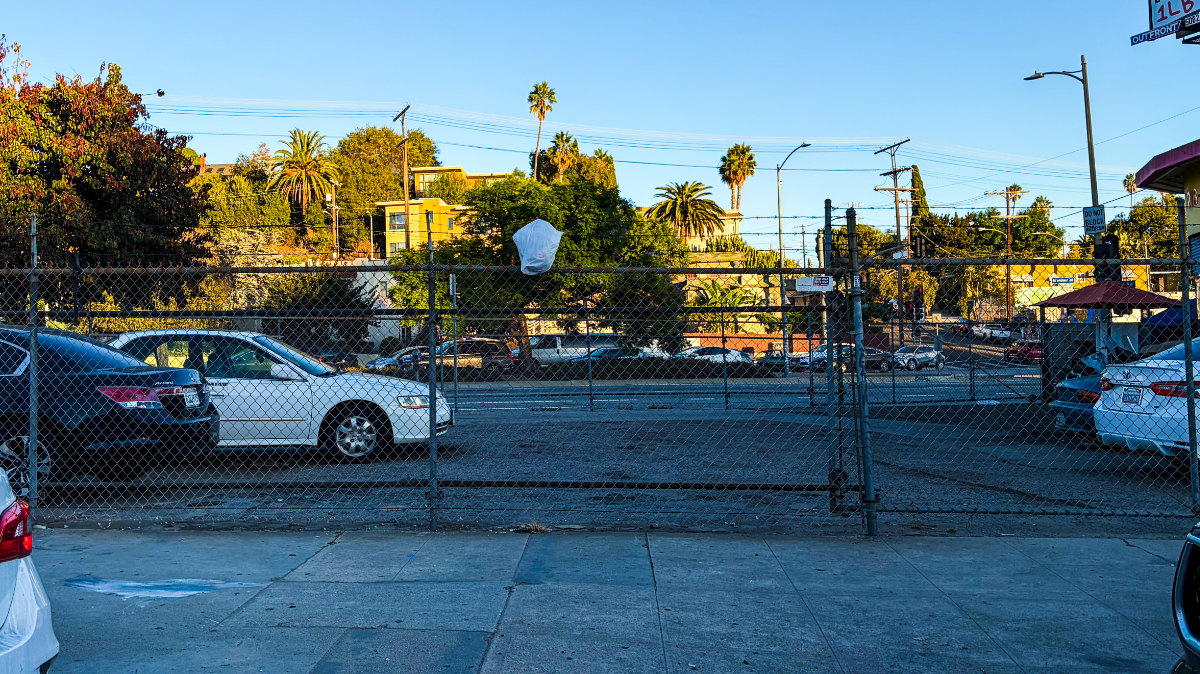
Alvarado
Alvarado
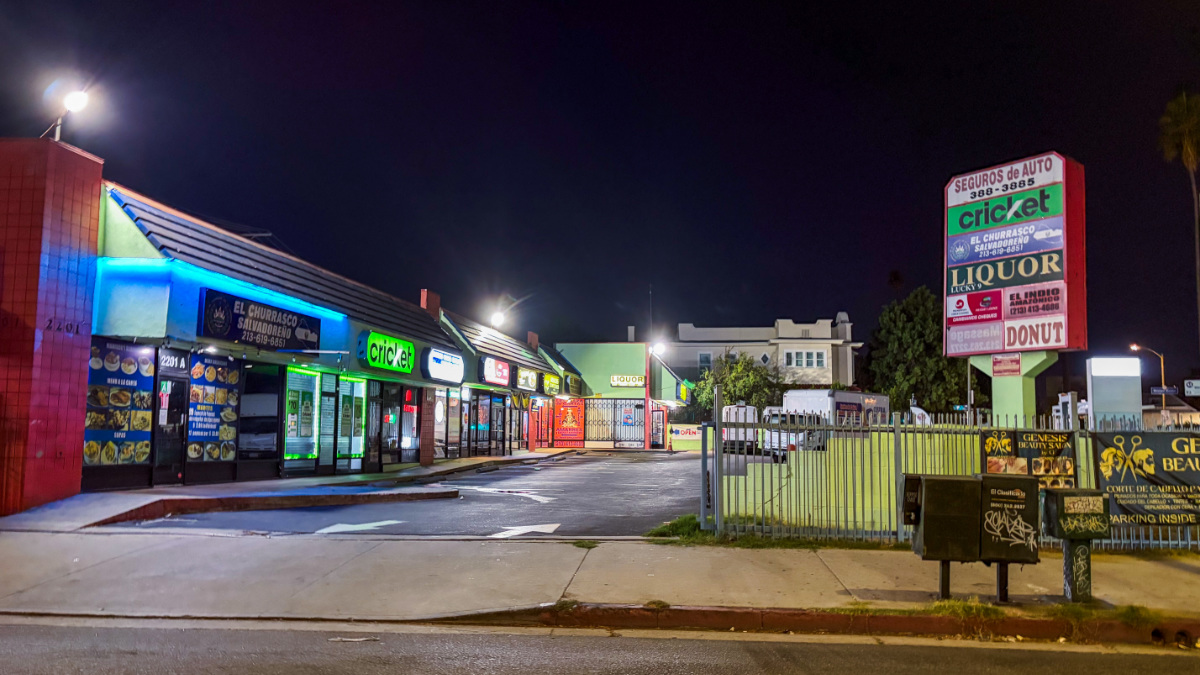
Pico and Hoover
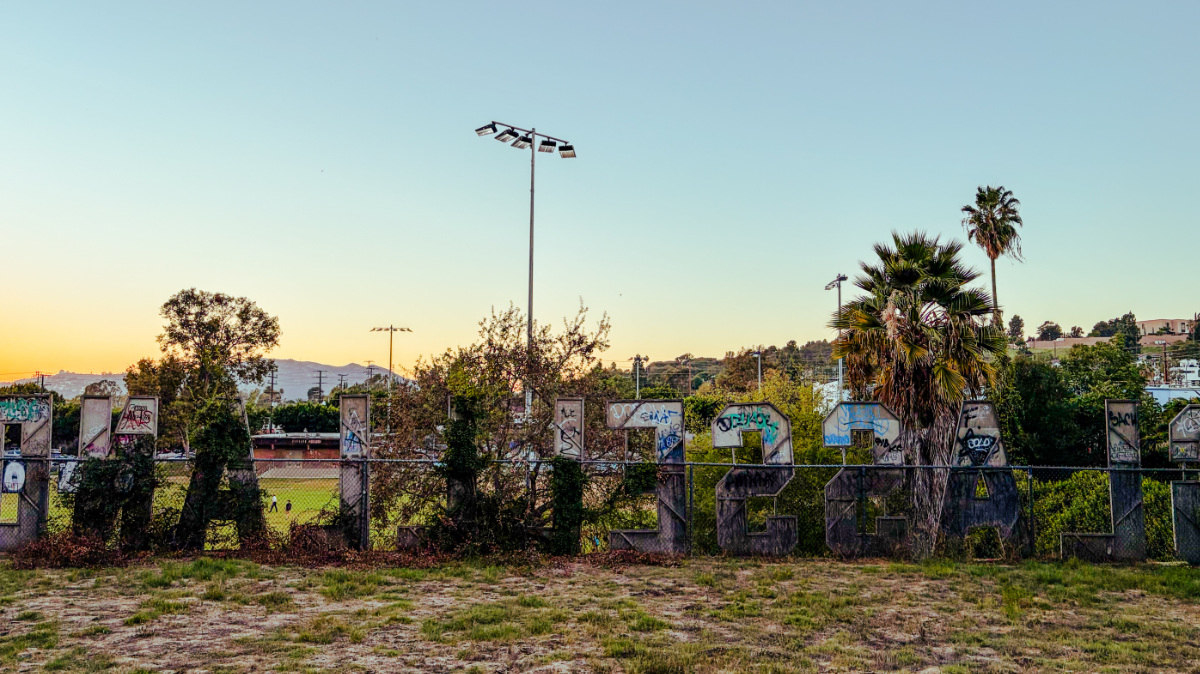
Glassellland
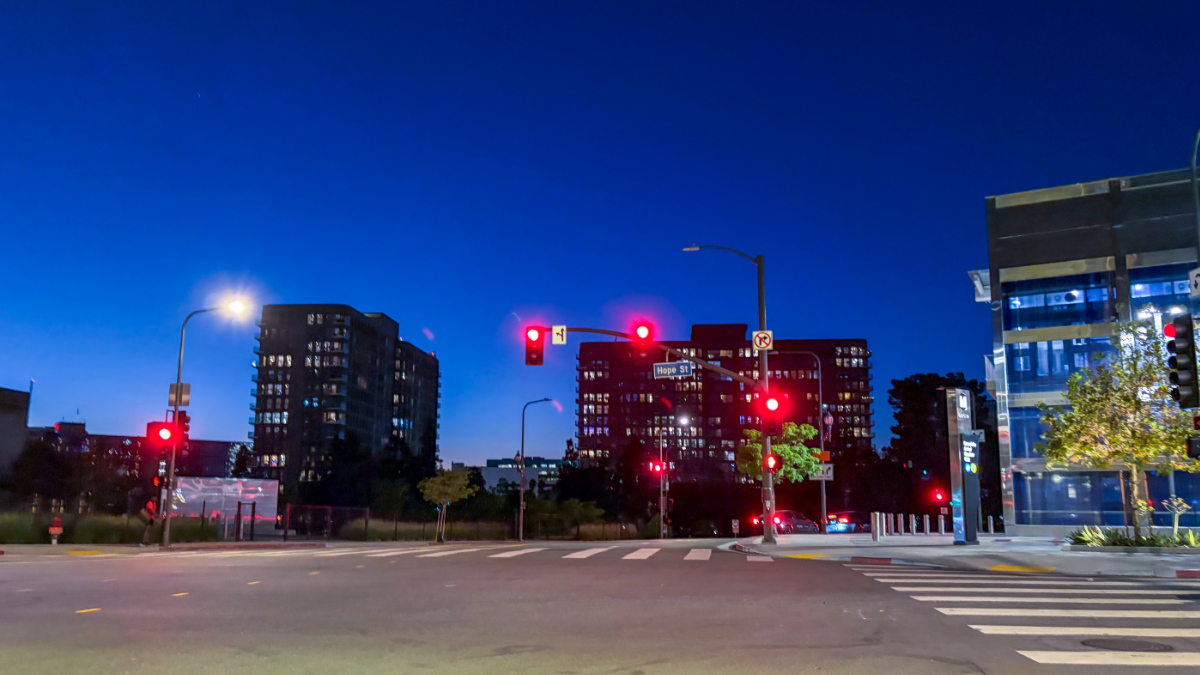
Hope
A few from driving around lately.
Santa Claus is coming to town. At The Home Depot, save up on getting ready for the season …
That’s all I heard. It was 11:32 PM, I was driving on the 110 and the first ad for the Christmas season was on the radio. In the span of ten seconds, I checked the time, tried to clock the date (at first I couldn’t remember if it was still September because this was so surreal), and, after waiting to see if this was actually a real ad and not just some late-night joke by a DJ, I changed the station immediately.
I don’t even know what to write about this. Just that it’s October 10 and to be hearing Christmas promotions on the radio—for Home Depot, no less?—just feels wrong. I couldn’t tell you why. Maybe it’s because this feels like further evidence that nothing really matters anymore. All of life in the US has just become some sliver of existence between an advertisement and abject violence. And Christmas, apparently.
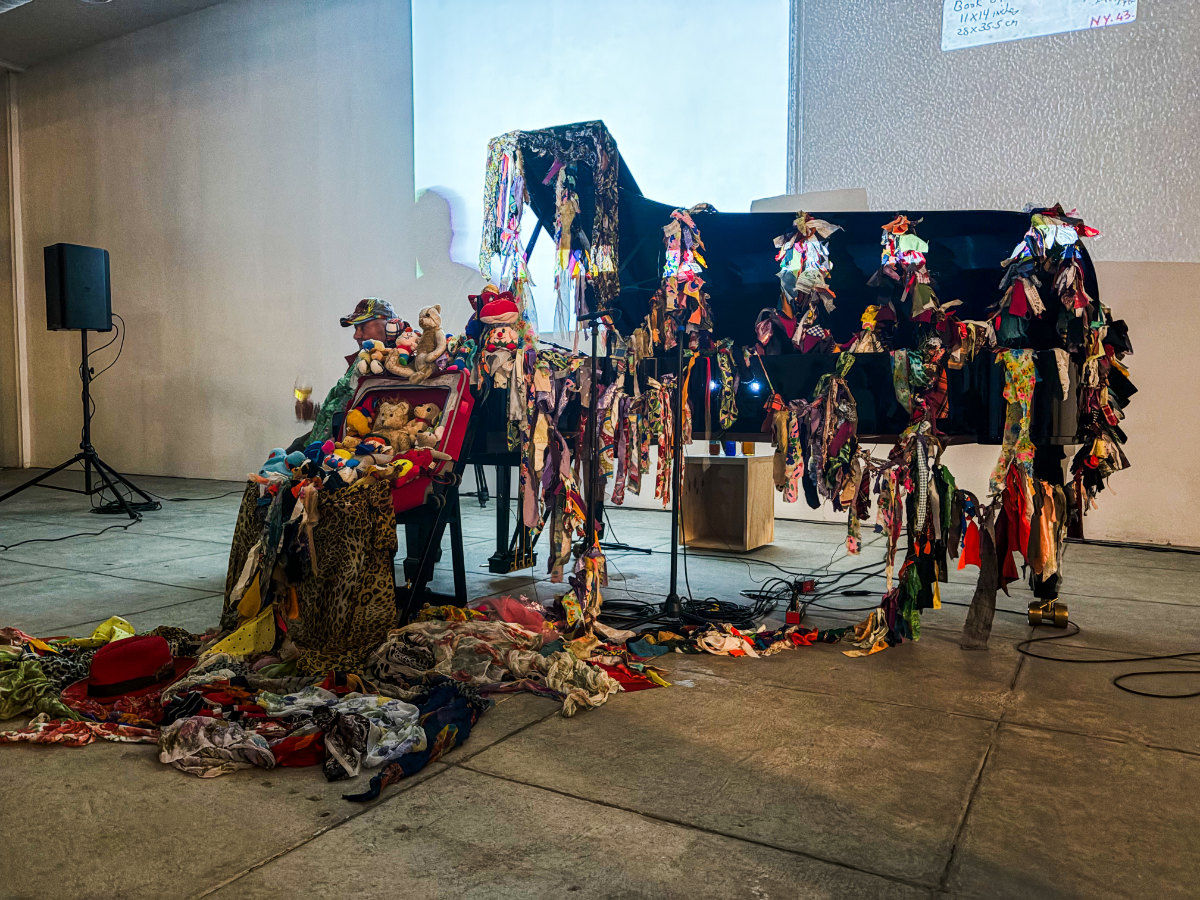
Charlamagne Palestine at The Brick Annex
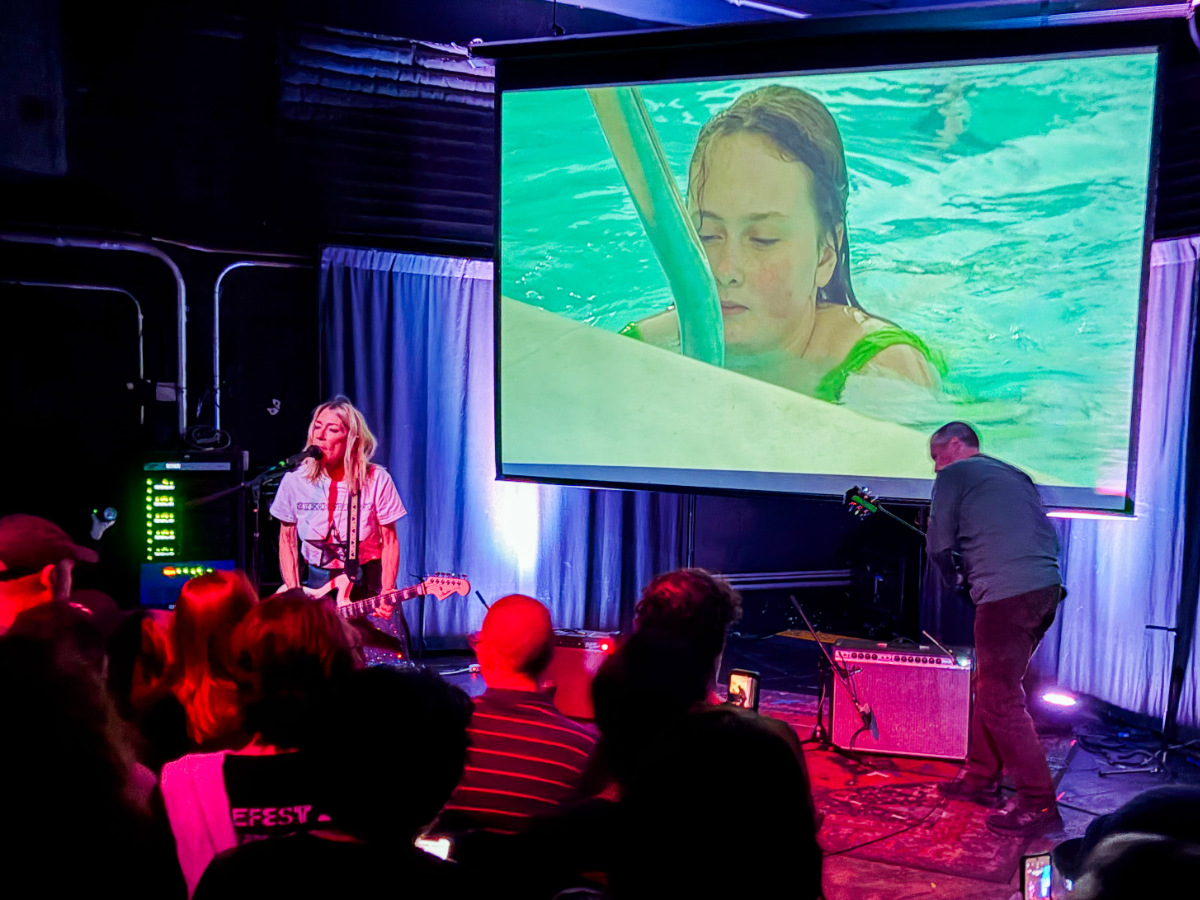
Body/Head at Zebulon
I’ve seen a couple avant-garde musical acts in the past couple days that, while sonically couldn’t be more different, seemed keyed in to the same door of utilizing sound to connect to something greater in the universe. Charlamagne Palestine used intense repetition and tonal improvisation on the piano while Body/Head was a nonstop barrage of distorted guitar with various effects layering a collage of pummeling sound.
The similarities between the two acts was striking, however. They both used long-form, anti-format performances to keep the music in the moment. Seeing your regular band at a show becomes predictable if you’re familiar with their songs—you know what parts are coming up, and they might have a slight variation, but for the most part, you’re getting a louder version of an album cut. These works were very much like, This is how the room feels right now, and there’s something inherently special about that.
It seemed very telling that the two were also helmed by musicians in their 70s. Charlamagne couldn’t even remember the year he was born when giving a brief introduction to his work. Kim Gordon is 73, although you wouldn’t know it from the noise she makes (as well as how generally youthful she appeared on stage). They are both obvious masters of their craft and respective instruments and, while giving into the moment, always seemed to have almost complete control over what was happening with the sound in the room.
Being able to walk that kind of tightrope in the arts is the type of great mastery we can all only aspire to. It’s also why, when AI executives claim making music is not enjoyable or some other bullshit, they obviously have no clue what they are talking about. These sounds were extensions of the human experience, reaching beyond what our physical bodies can feel and sense, into a place that requires a guide to go. That’s what great art is, and what the best technology will never be able to replicate.

Behind MOCA
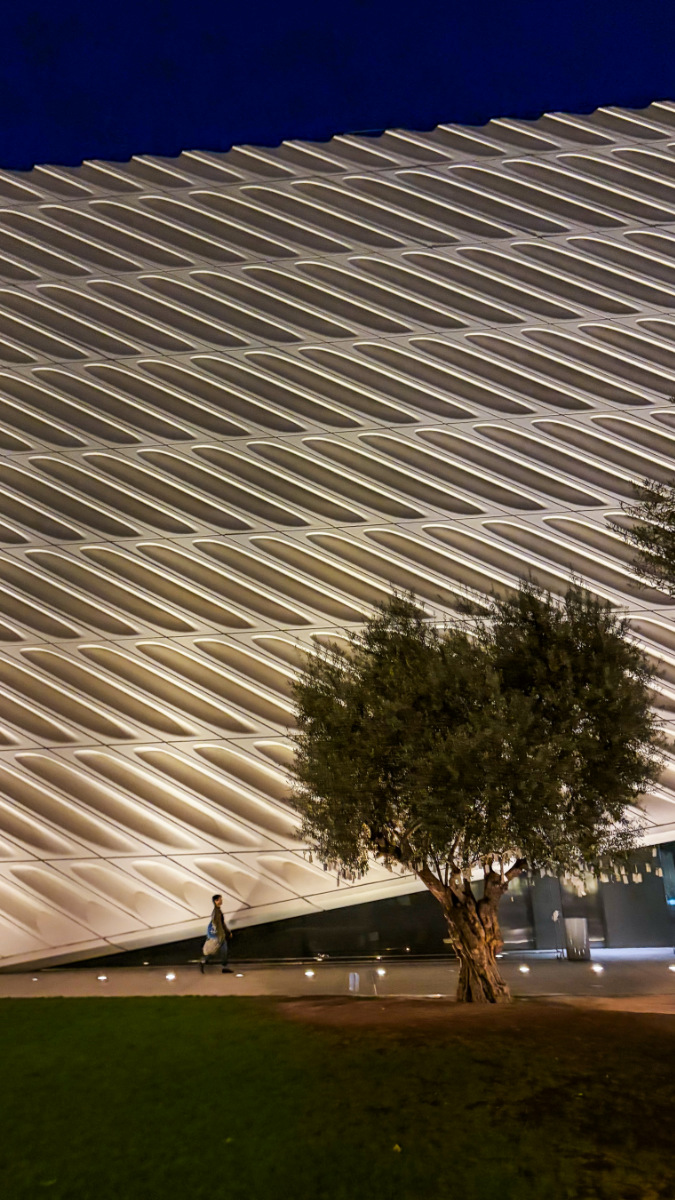
The Broad
Downtown LA is the strangest metropolitan center I’ve ever seen. During the day there are cars everywhere. The freeways surrounding the area are packed, someone is always honking at a stoplight, the busses maneuver around cyclists. But the people? Almost the opposite. A few areas, like the 7th street Metro station or Little Tokyo, have a fair amount of foot traffic but a substantial amount of the city is proportionally sparse compared to New York (or even a smaller city like Boston or San Francisco).
At night, it’s even emptier. I was early for a concert Monday night so I walked around for half an hour or so and saw maybe a total of ten people, most of whom were walking their dog. Granted, I was up by the museums where there aren’t really any restaurants open but it’s a pretty common sight all over—unless you’re on a block where there’s a venue with a performance scheduled, you’d probably be able to count the amount of people you see on one hand.
I’ve heard downtown wasn’t like this before the pandemic but I don’t have a reference for that. Maybe it’s because this is such a car-centric city, you don’t have people generally walking from subway stations to a destination in any given neighborhood, and the closest most people come to public interaction is seeing someone through the window of a car. But it’s still very strange and emphasizes a certain loneliness one can feel in LA. You understand there are four million people in within a 15-mile radius, but you wouldn’t know it to look around.
Zionists will be lamenting the attack against Israel today in 2023, and it’s a load of bullshit. Not that the attack didn’t happen or anything—but that Israel is somehow the victim. When decades of oppression and violence result in retribution, you can’t collectively claim innocence.
There’s also the fact the IDF was ordered to enact the Hannibal Directive, which basically says to kill anyone and everyone—Israeli soldiers and citizens included—to avoid hostages being taken. These casualties were blamed on Hamas, even if they were not the ones who pulled the trigger. (This is from a report by Haaretz, an Israeli newspaper.)
The years since have seen non-stop violence perpetuated by Israel, predominantly against citizens, with complete support of Israelis and western governments alike. American colleges punish protesters and quelled free speech while allowing for violent counter-protests and police intervention. England mass arrests the public who support Palestine. Primary media sources—The New York Times stateside and the BBC across the pond—both have repeatedly published support of Israel and frame headlines constantly to portray them as the victim and downplay what is happening in Gaza.
Simply put, if you support Israel now you would have supported Germany then. Perpetuating a genocide can be swept under a flag of any color. Seeing other people as subhuman to the point they deserve extermination—especially when your justification is some millennia-old myth from a book—is ideologically grotesque to the point there probably isn’t a word vulgar enough to describe it.