There’s an interesting parallel between the rise of guys like Elon Musk, the Trump presidency, and the simultaneous adoption of and enthusiasm behind AI—it’s the dawn of a new era of the con.
Whether it was Lee or Bernays who created modern day public relations doesn’t matter so much as the effect they’ve had on the world because of it. Advertising is one thing, but the idea of PR and manipulating social dialogues around everything—as opposed to just products or investments—has brought us all to this era of un-reality in the west.
Taking a look at Musk, for all who laud him, he has not actually built anything. He doesn’t know anything about cars or rockets, he purchased the assets that have built his wealth (or built them on government subsidies while being ‘anti-socialism’). He’s no inventor, shows no capacity for innovation or vision for the future. He’s just a shrewd capitalist (and a pretty big fucking idiot). Trump may have made some real estate dealings in the past but is notorious for fucking over workers (as well as lying about, well, more than I can link to). These are men who keep their heads above water because of how American culture has adopted public relations on the thoroughfare of public debate.
Yet these men are lauded by many for their ‘leadership.’ Wealth supersedes any questions in relation to morality, justice, equality, or even legality. It’s repugnant.
Drawing Lines
Somewhere along the line, the idea of what you make of yourself became less important than how what you make of yourself represents the capitalist ideal. Social intangibles like respect and dignity and honor have long evaporated from the air we now collectively breathe, and everything is about money and power. Being a shitty person has a proportional relationship to how much money you have at your disposal to ride out any negative news cycle that might carry your name with it. Do we really think Mark Zuckerberg will be affected by the fact his superyacht didn’t help a boat in need?
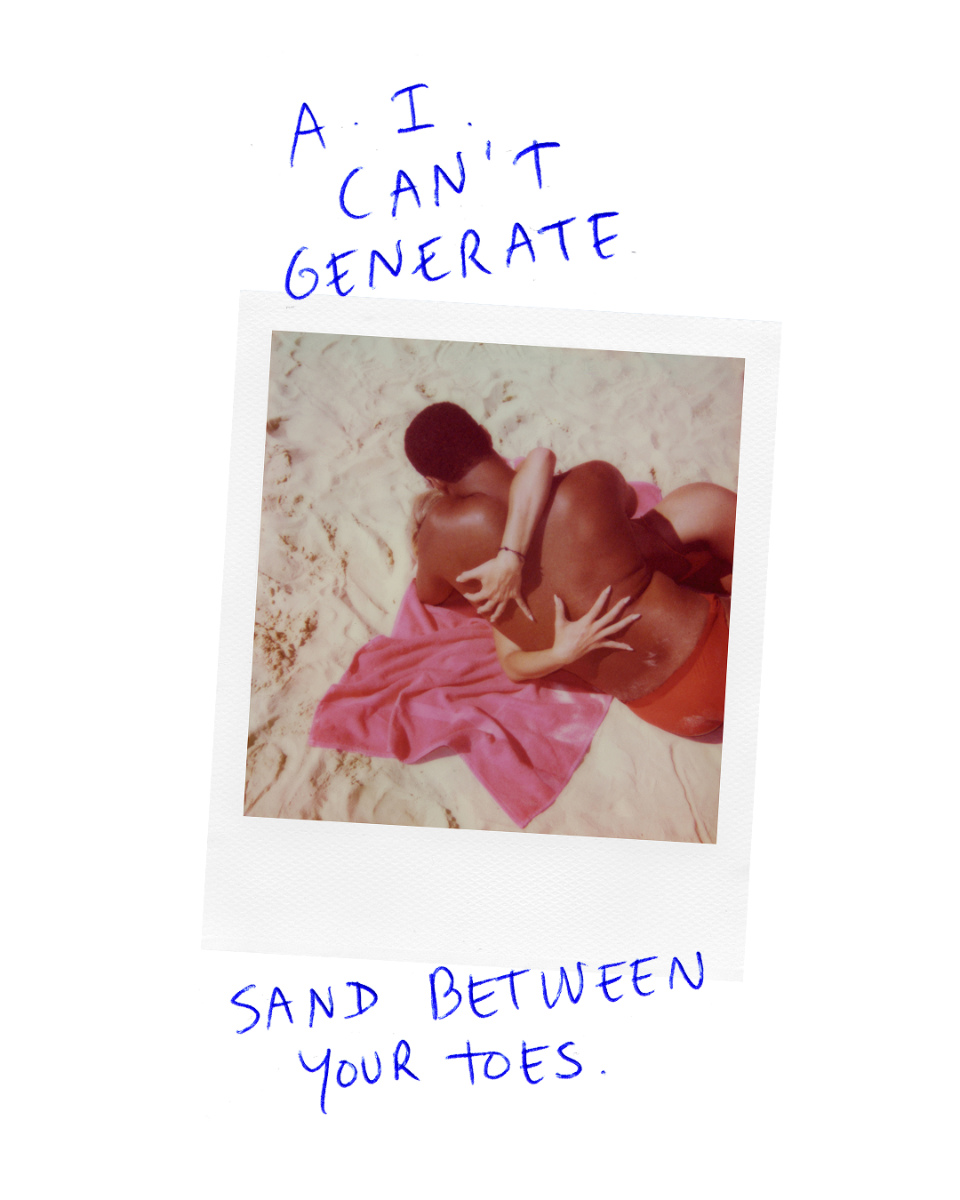
And so a new age of deceit is upon us. It’s no wonder that the people largely associated with these ideas also adopt AI so completely—to them, cutting corners for financial reasons is more important than any natural, human process. Art does not matter to these people—creation is an inconvenient step in the process of financial viability. Existence, and its potential, are secondary concerns to capital gains.
The MBA idea that everything is business has overwhelmed our relationship with inspiration. Labor is no longer about meaning something, it’s about cost-effectiveness. These people have adopted the idea that financial equations are more important than human endeavors, and so aesthetic (or any constructed) results that suit any need of production are more important than creative processes.
Losing It
This is a cancer upon humanity. I’m not saying that every use of AI is bad, or that every statement to the media is a lie, or that every businessman is a crook. But we have entered an era where the potential truth of the internet has been consumed by the dishonest nature of advertising—and along with it, those who profit are becoming shells of human beings who are only icons of wealth, shedding all other traits in regards to empathy, kindness, dignity, respect, or honor. They are the scum of the earth infecting growing swaths of the population with this grotesque self-centered outlook that defeats the purpose of our collective existence.
Capitalism is beyond an economic crime, it is the death knell of what makes people a part of the natural world. With the technological advancements we’re developing now, if it remains as influential as it has been over the past couple centuries, we are certainly doomed to lose a majority of our civilization to completely inhuman ways of being.