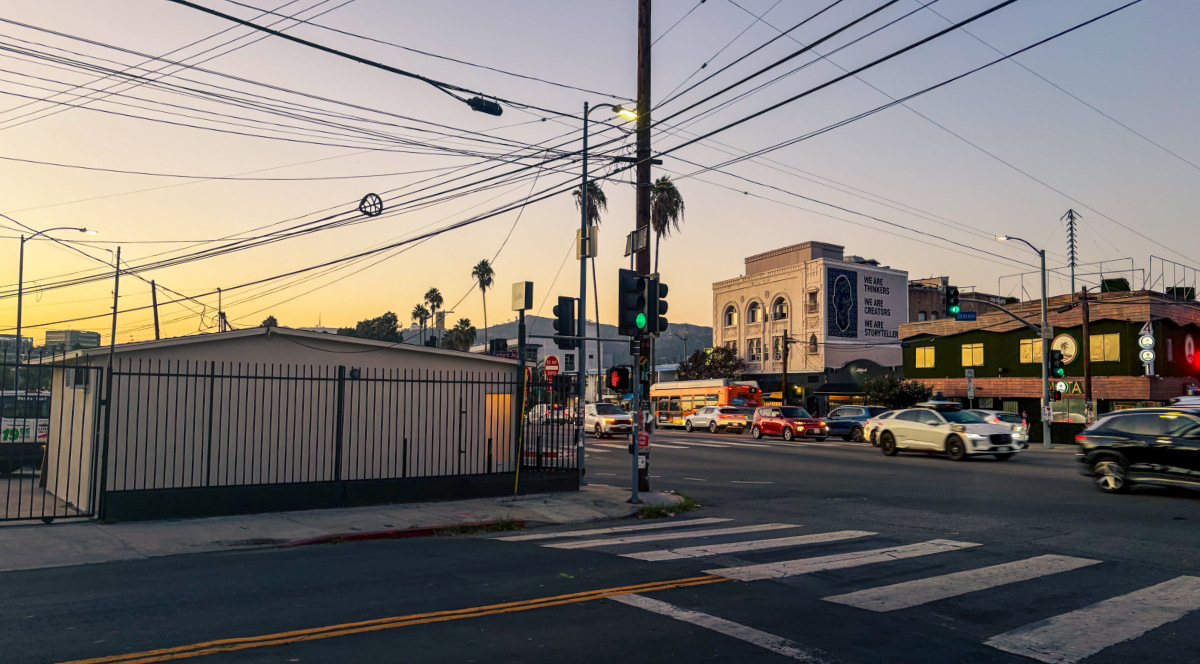
Sunset Junction in Silver Lake
Sunset Junction in Silver Lake
One of the maddening parts of LA culture is that some restaurants are hot spots to be seen in, and so they probably get more business than the food actually deserves. When you don’t know this before making a reservation, you end up overpaying for a mid meal just because the place is on a trendy block off Sunset. Whoops.
(Then there’s always the later part of the night where driving becomes a competitive sport while street signs and traffic lights are largely disregarded and double parking and careless pedestrians crowd every other street. Sometimes I think the 2028 Olympics should feature a special LA-based contest called Taking Your Life In Your Hand By Driving Down The 110 From Highland Park To The 10 West After Dark.)
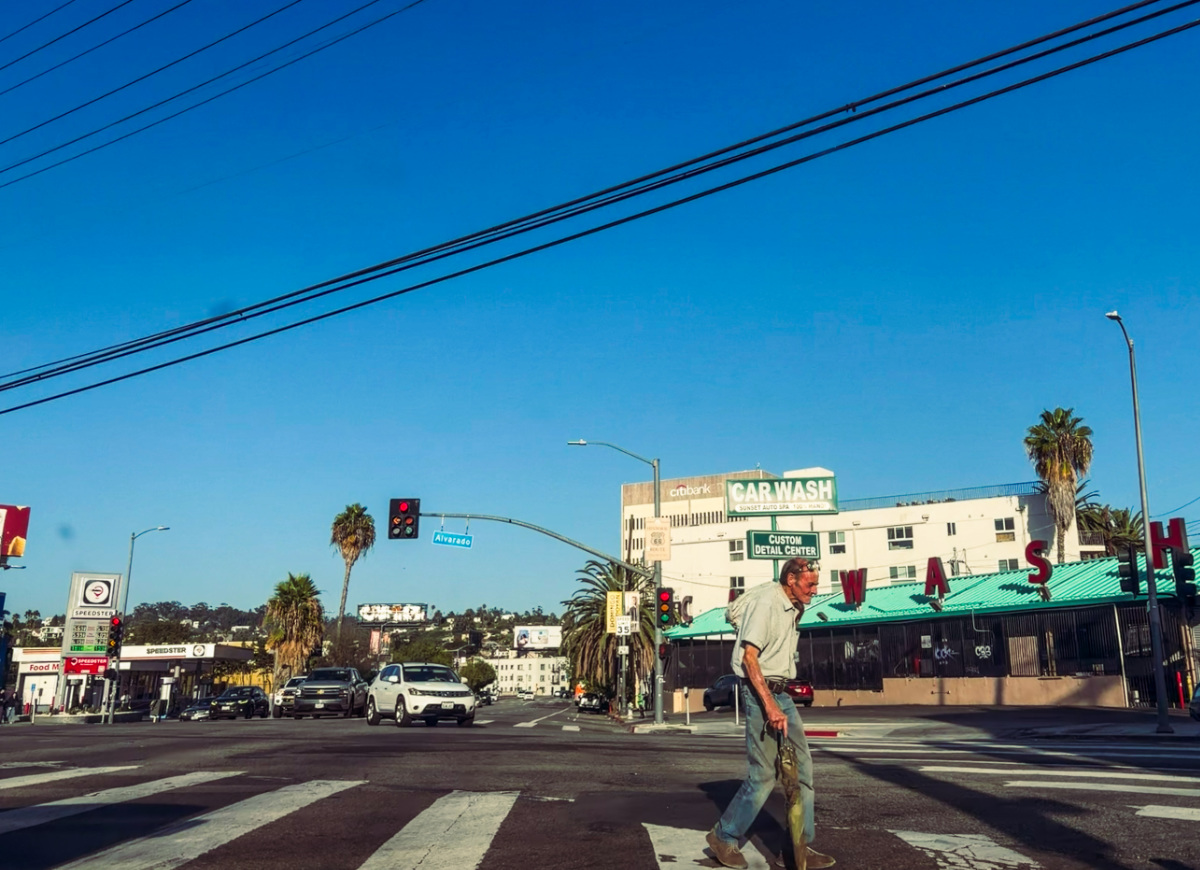
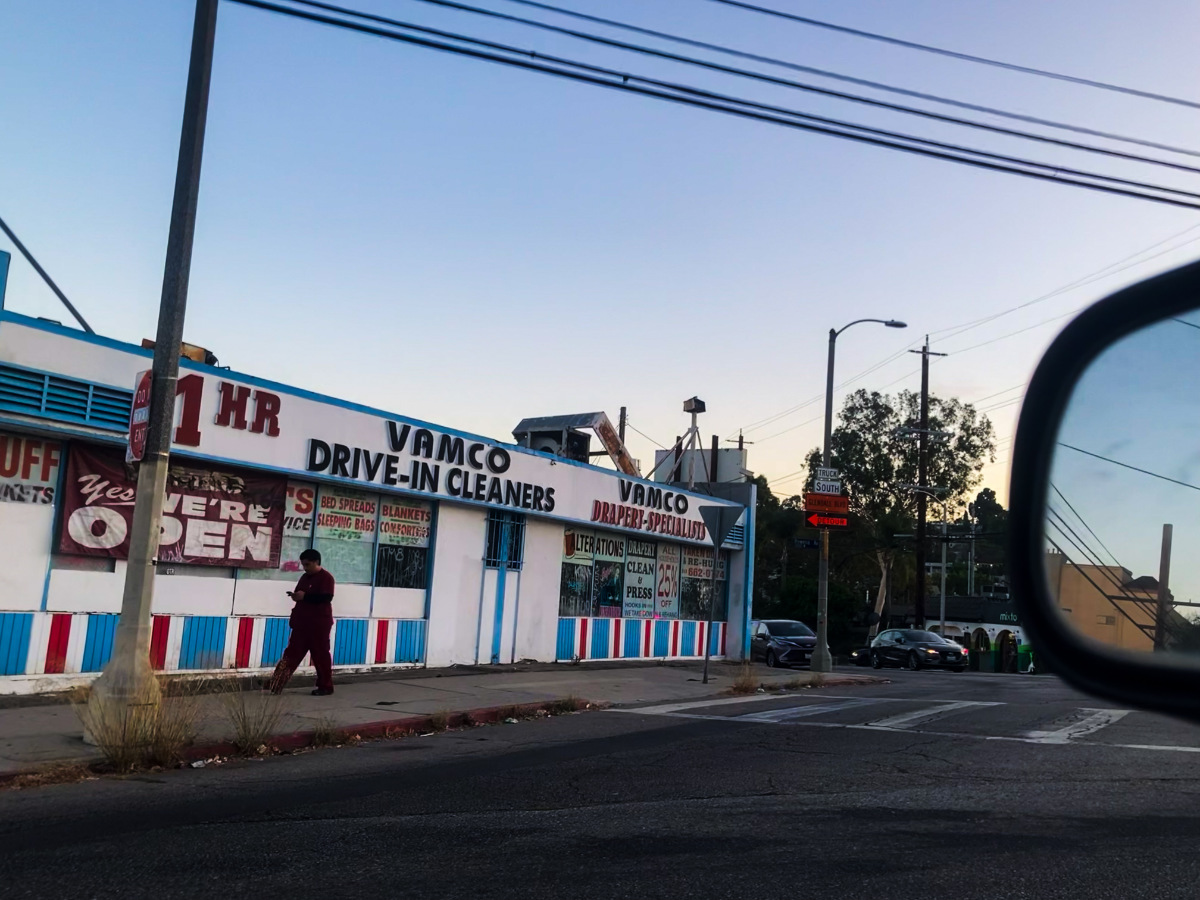
Alvarado and Sunset
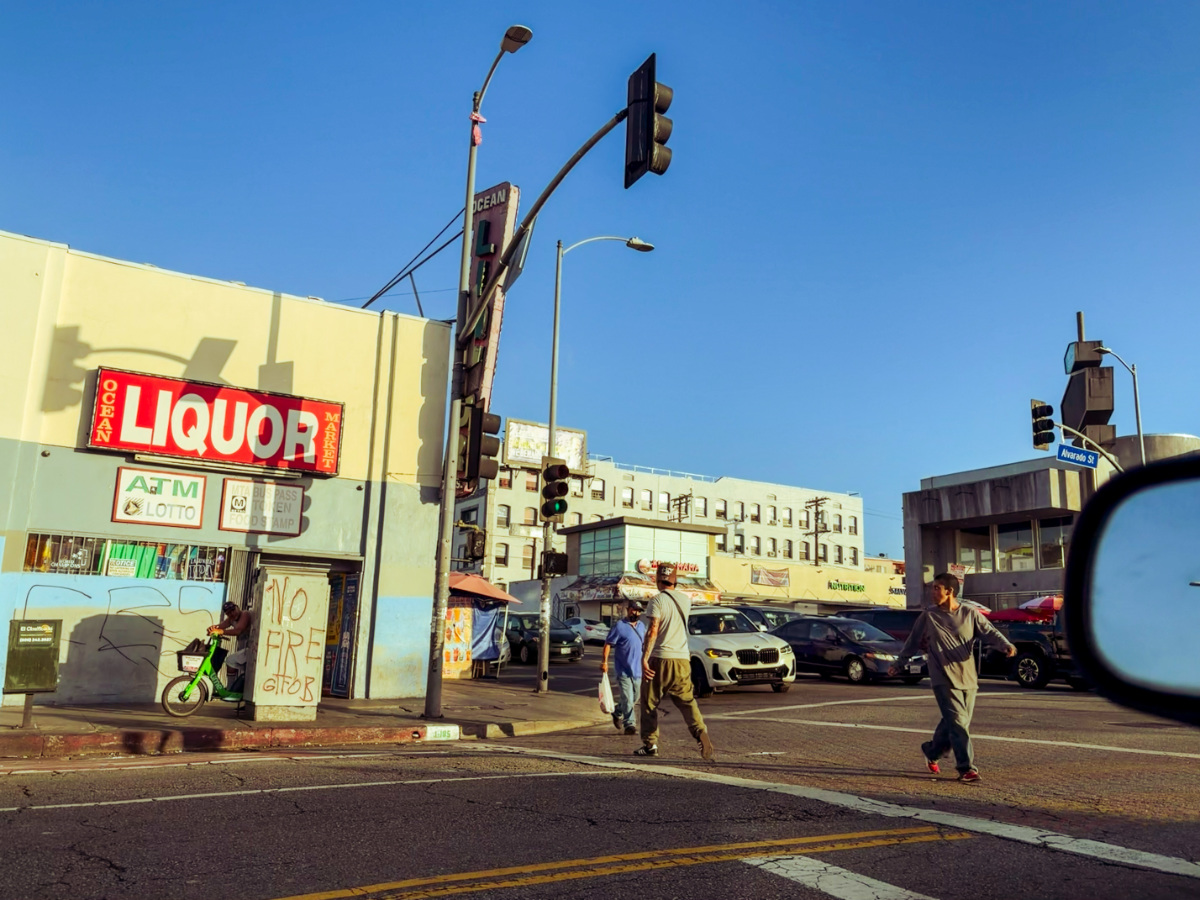
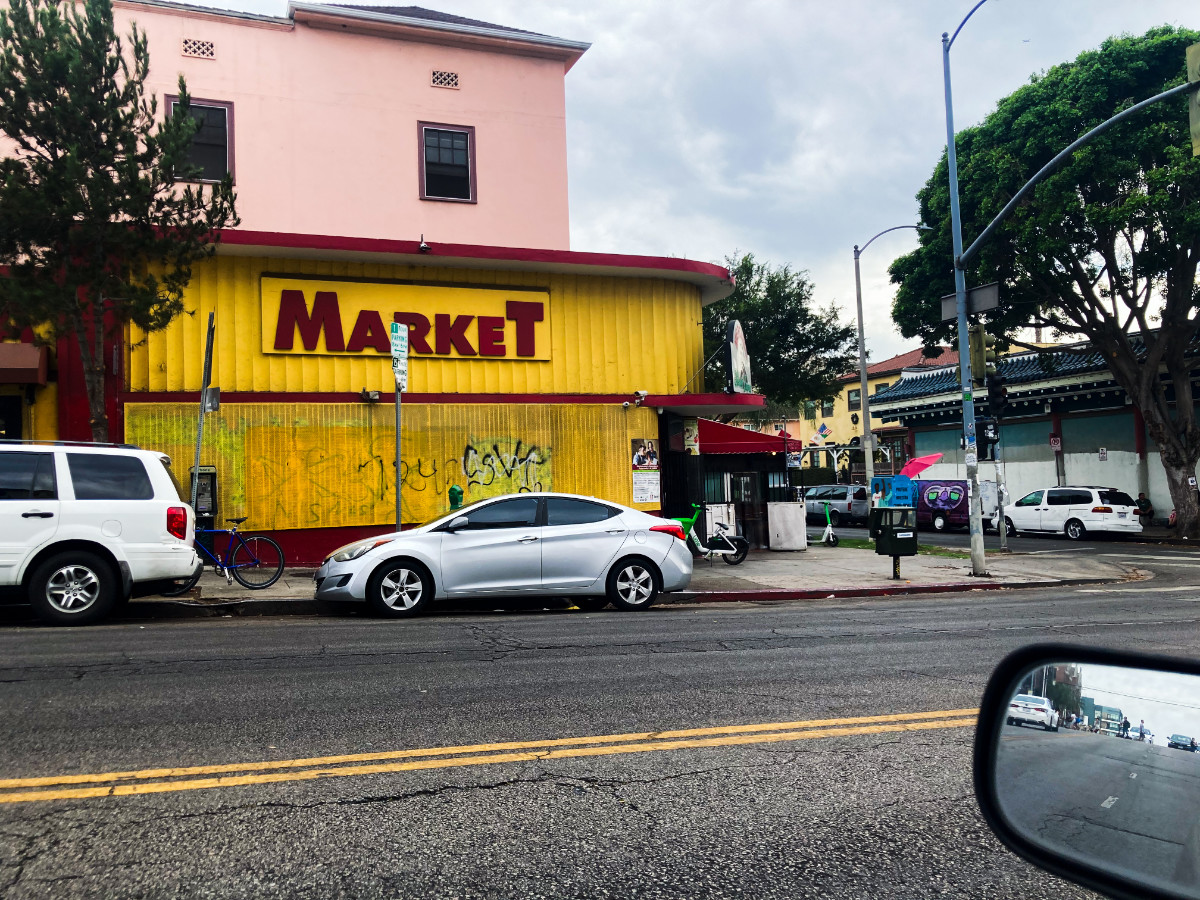
Alvarado and 8th
I remain intrigued by photographing intersections while I’m waiting on the light—although I will say since moving to Westlake I am amazed at how many people on foot or scooter or bike just do not care about what light is which color at any given time.
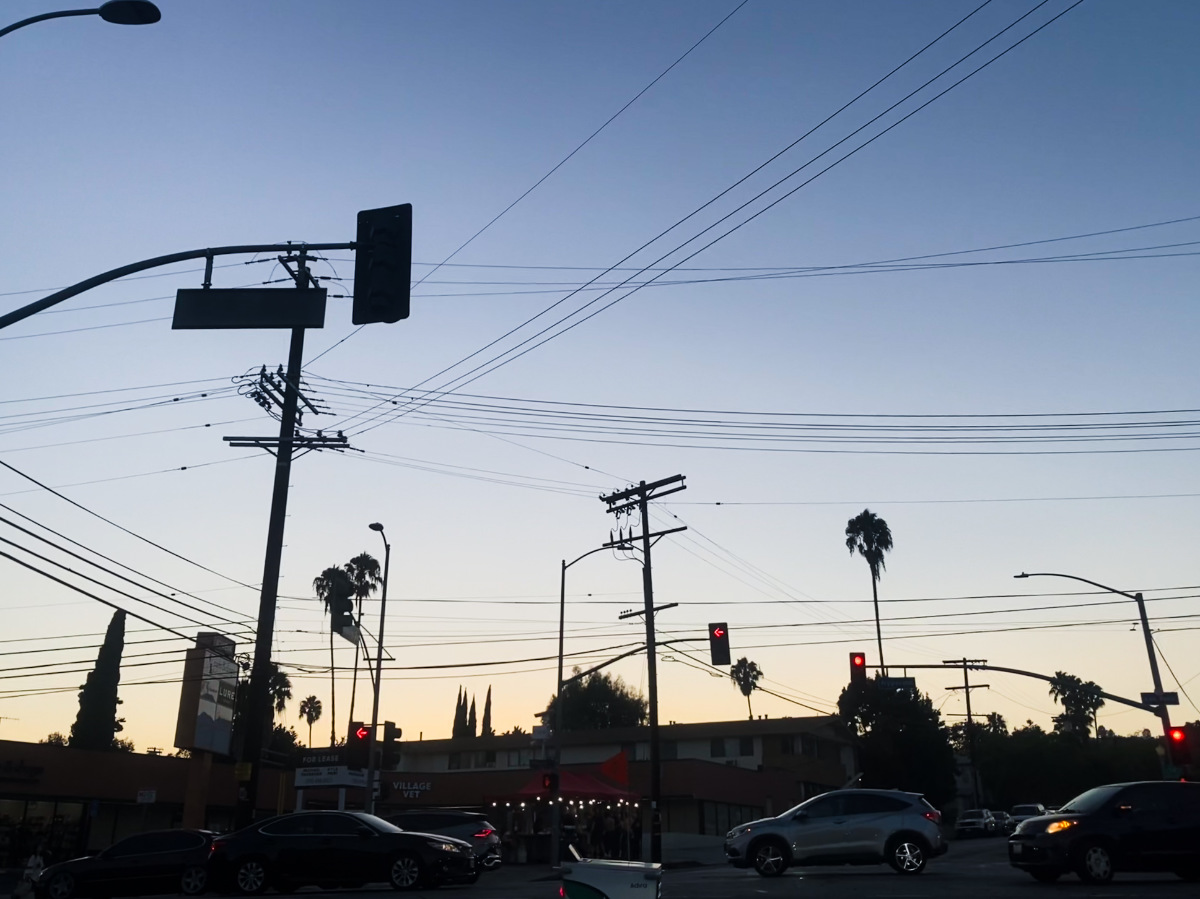
Robot crossers
Human walkers
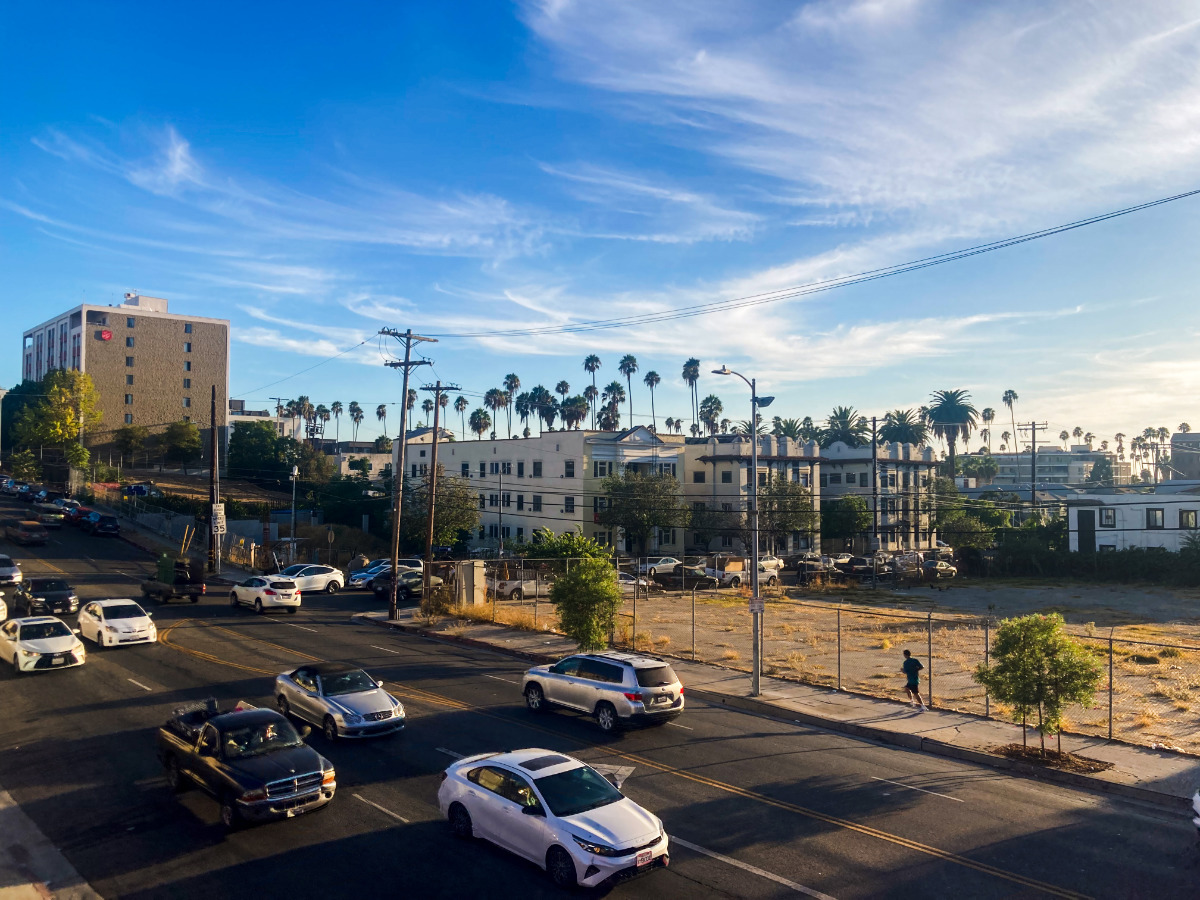
8th and Normandie
I would say intersections are where my biggest pet peeve of driving in LA takes place. There are plenty of lights that have dedicated left-turn lanes (an interesting thing about LA driving is that you come to learn after a light turns red, two cars usually still turn left). However, there are a lot of side streets that don’t.
There’s nothing more annoying than being behind a driver at one of these intersections where they don’t turn on their turn signal until the light turns green. You’re stuck behind a car that will have to wait the entire length of the light before they can actually make the turn, leaving you to stay behind them through the green light, then having to wait until the next to actually cross.
It would be nice if this was a minor, occasional inconvenience but this probably happens ten to fifteen percent of the time. Given how frequently driving is a part of life in LA, that’s an incredible amount of annoying drivers to deal with. I have about five major pet peeves of driving here and this one is at the top of the list.
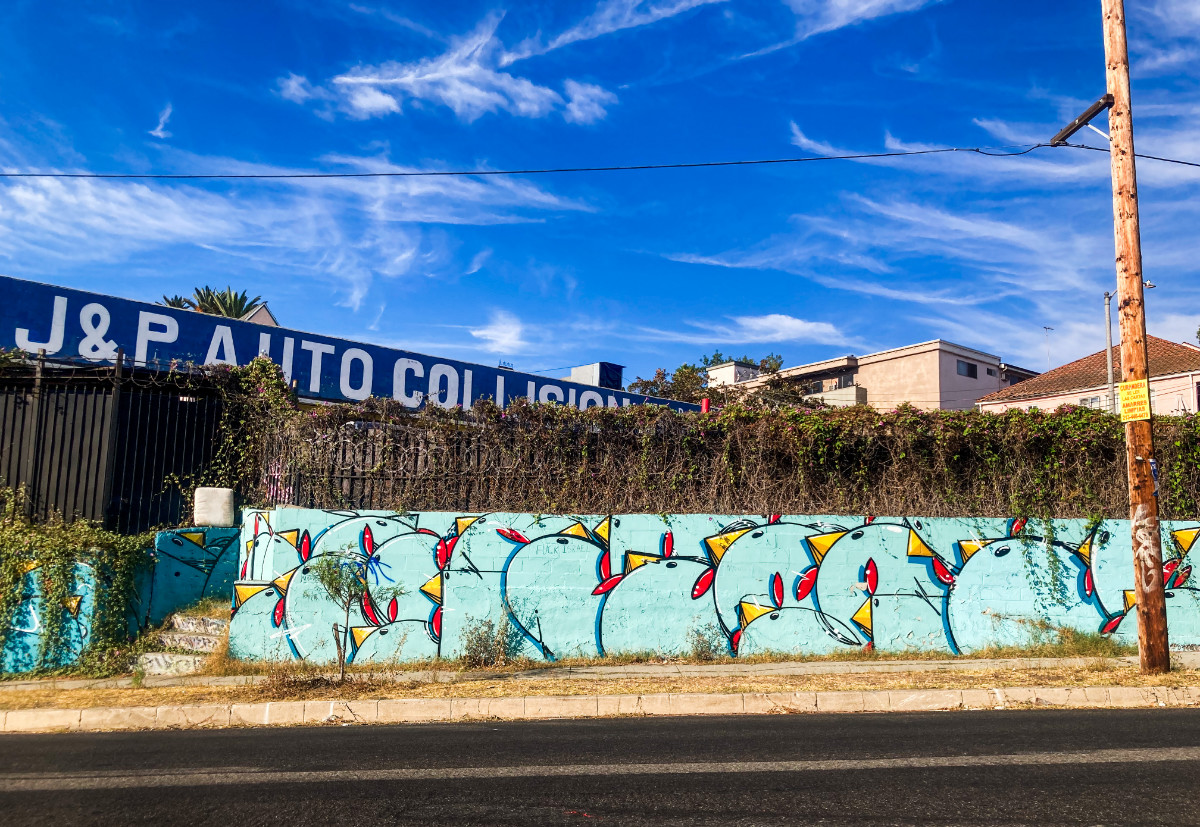
Beverly and Commonwealth
Hoover and San Marino