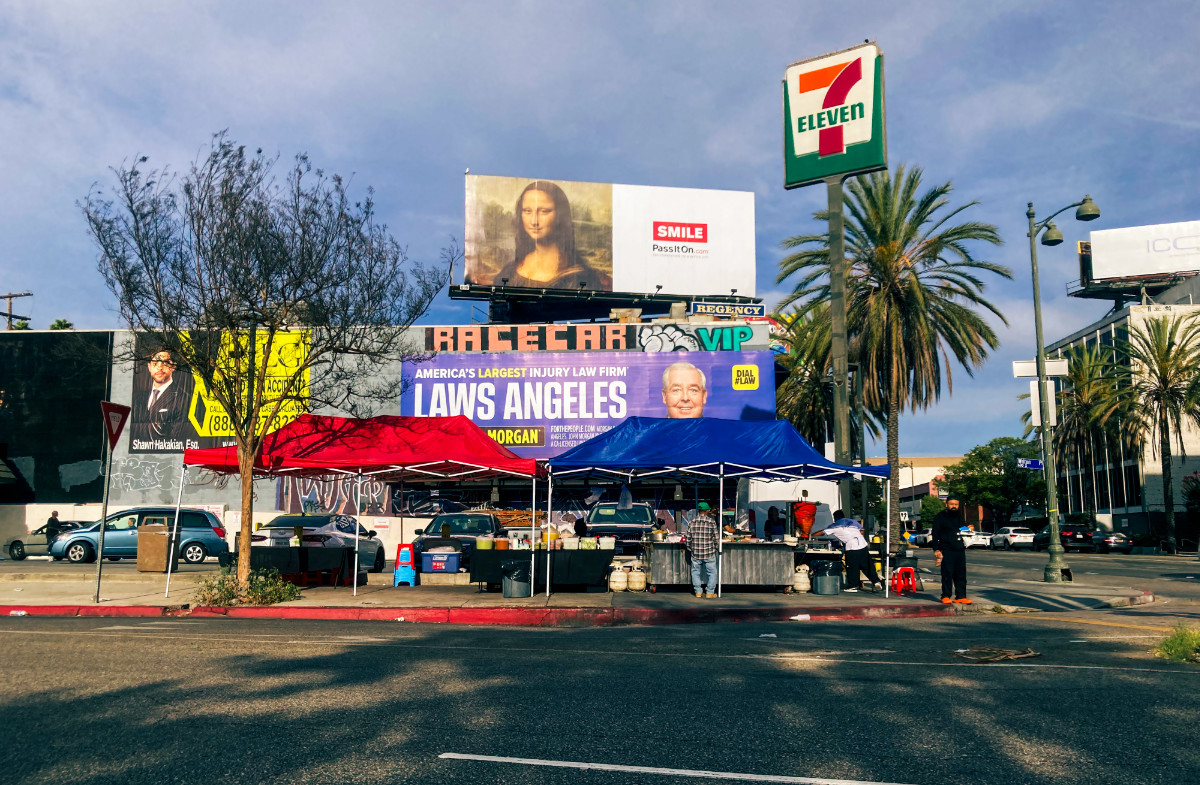
Wilton and Wilshire
Wilton and Wilshire
For some time now, I’ve used the Adobe Lightroom mobile app to edit photos I take on my phone, such as this one snapped today on my drive home. However, when I went to edit the photo upon getting home, Adobe had an update to promote to me:
On Lightroom Desktop and Mobile, the headline feature is Generative Expand, which Adobe first rolled out in Photoshop in mid-2023. The tool uses generative AI to extend a photo beyond its original borders, filling transparent areas created by perspective adjustments or making room for new aspect ratios without leaving blank edges
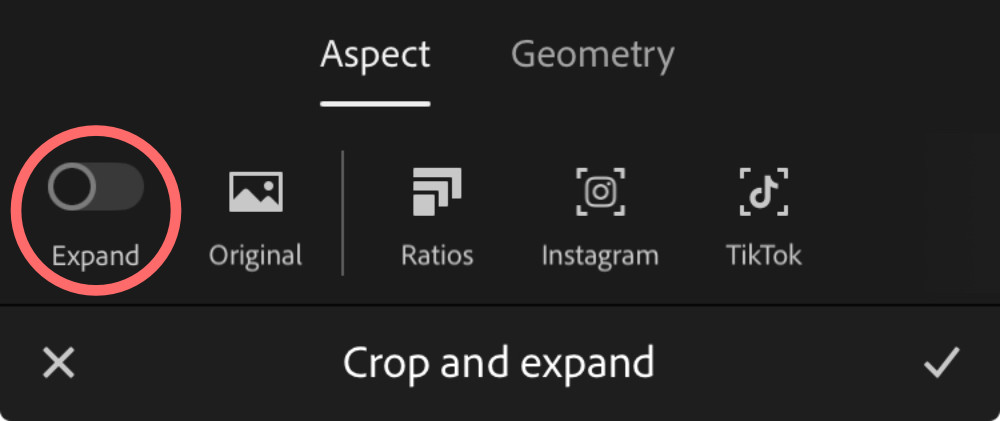
The Generative UI in question
There’s plenty of debate about AI ‘art,’ even though most people who are pro-AI have little to no appreciation for creative process or results—however when it comes to photography, using Generative AI is somehow more offensive. Photography, by its fundamental nature, is documentation. Evidence. An account of reality, interpreted through a lens certainly, but otherwise, nothing that exists in a photograph was not in the scene that was shot.
To use Gen AI in any kind of photographic tool is to go against the very nature of photography. While the people who are shoving AI down our throats at every corner have absolutely no appreciation for the nature of the foundations of how we make things, they also disregard why we make them, or how significant these processes and results are to the relationship humanity has to itself and the world.
People promoting AI exist completely within the idea of technologically-driven bubbles that serve purposes of, well, I don’t even know, coordinating meetings better? Client pitches? Coding apps? A projected version of the world that doesn’t exist but serves the idea of selfish indulgence? Certainly nothing honest, nothing dignified, nothing human.
While there are likely ballistic wars coming over resources such as water, wealth, energy, and political domain, there’s this brewing existential, intangible conflict about the fundamental nature of how we relate to one another, how we share reality, how we celebrate it, and what it actually comprises that is becoming an increasingly depressing landscape.