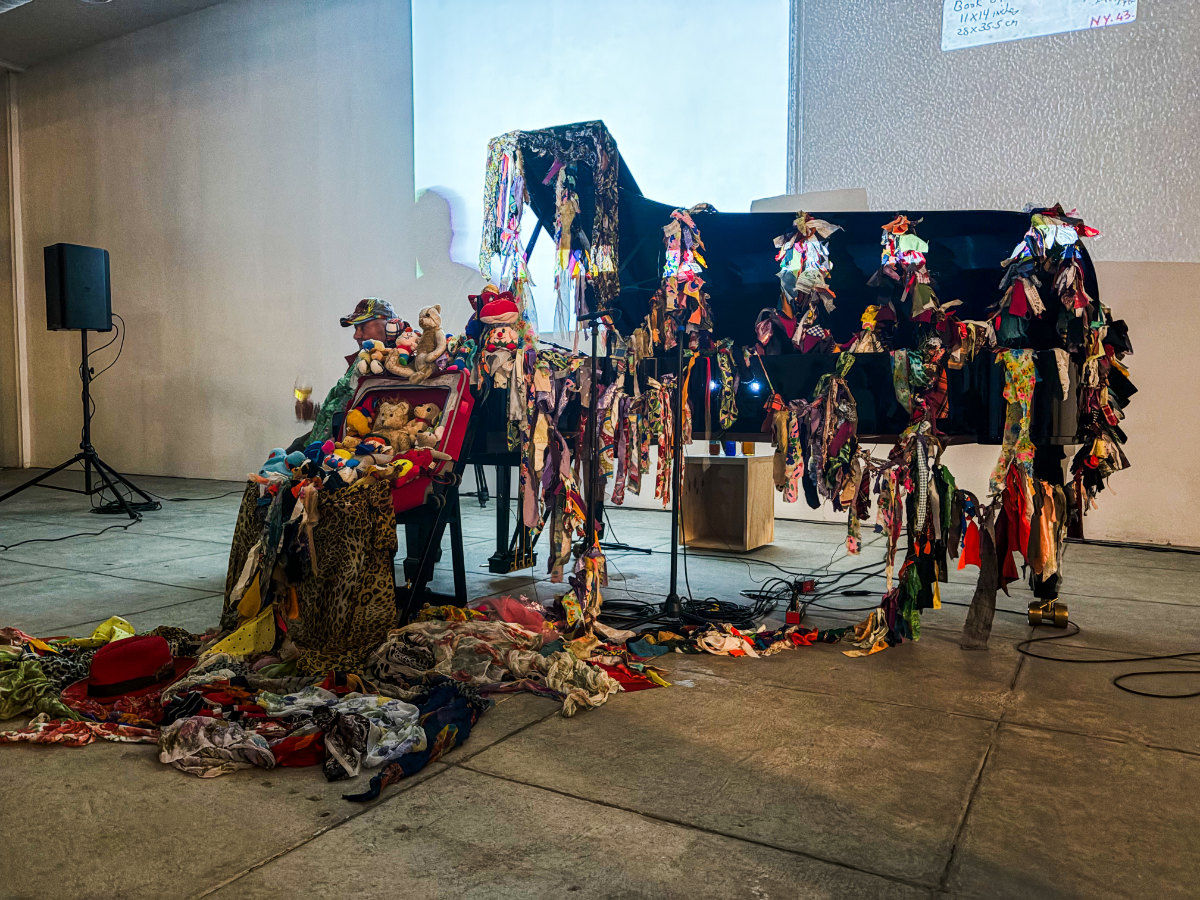
Charlamagne Palestine at The Brick Annex
Charlamagne Palestine at The Brick Annex
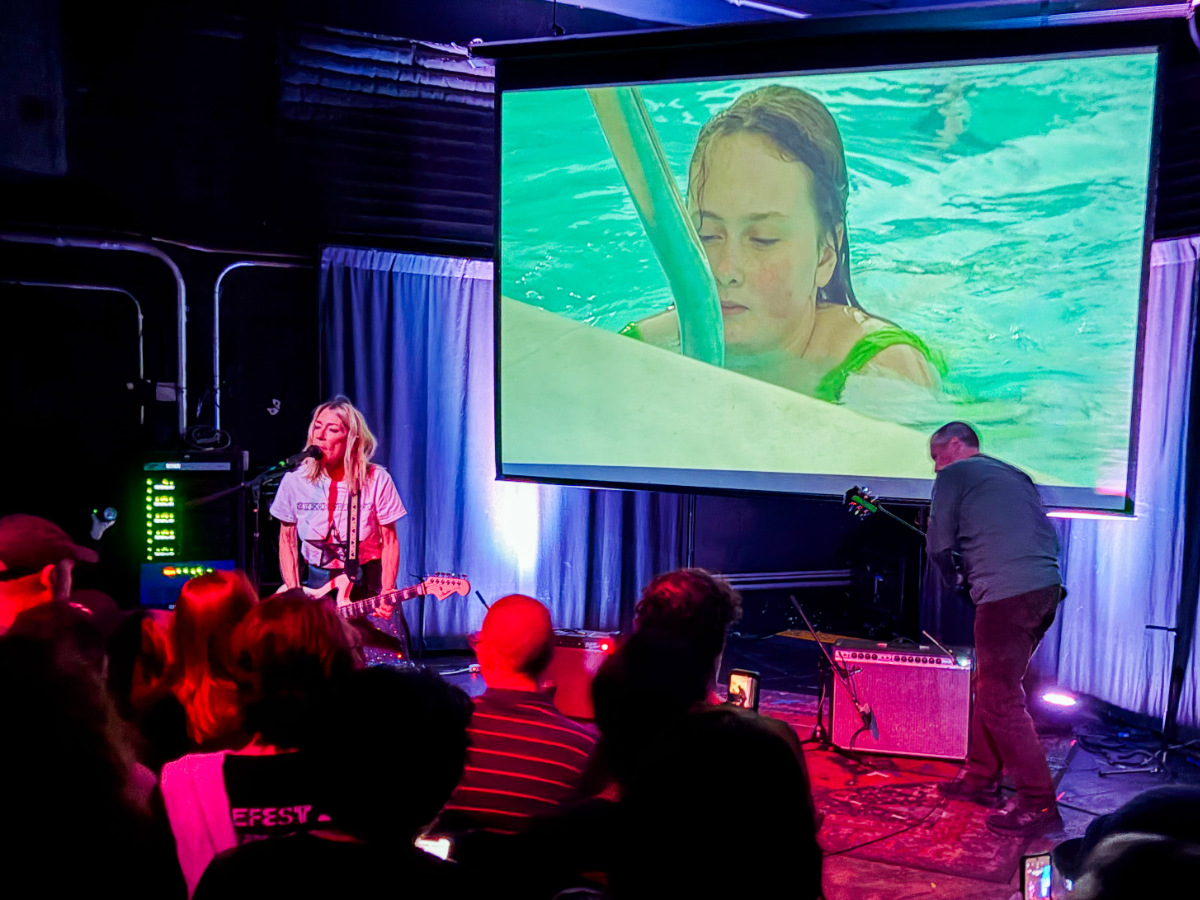
Body/Head at Zebulon
I’ve seen a couple avant-garde musical acts in the past couple days that, while sonically couldn’t be more different, seemed keyed in to the same door of utilizing sound to connect to something greater in the universe. Charlamagne Palestine used intense repetition and tonal improvisation on the piano while Body/Head was a nonstop barrage of distorted guitar with various effects layering a collage of pummeling sound.
The similarities between the two acts was striking, however. They both used long-form, anti-format performances to keep the music in the moment. Seeing your regular band at a show becomes predictable if you’re familiar with their songs—you know what parts are coming up, and they might have a slight variation, but for the most part, you’re getting a louder version of an album cut. These works were very much like, This is how the room feels right now, and there’s something inherently special about that.
It seemed very telling that the two were also helmed by musicians in their 70s. Charlamagne couldn’t even remember the year he was born when giving a brief introduction to his work. Kim Gordon is 73, although you wouldn’t know it from the noise she makes (as well as how generally youthful she appeared on stage). They are both obvious masters of their craft and respective instruments and, while giving into the moment, always seemed to have almost complete control over what was happening with the sound in the room.
Being able to walk that kind of tightrope in the arts is the type of great mastery we can all only aspire to. It’s also why, when AI executives claim making music is not enjoyable or some other bullshit, they obviously have no clue what they are talking about. These sounds were extensions of the human experience, reaching beyond what our physical bodies can feel and sense, into a place that requires a guide to go. That’s what great art is, and what the best technology will never be able to replicate.