The new Polaroid anti-AI, pro-real-life-interactions ad campaign is pretty great. While advertising in general is a menace of a media system, any dialogue we’re having in public about AI—or digital addictions in general—is important to keep front-and-center, as we seem too eager to stray from the idea of our basic humanity being at stake. (It is interesting how some responses to the campaign discuss the ‘low-hanging fruit’ of data centers and how any corporate dialogue against AI is hypocritical, which is understandable but I feel on the wrong side of the subject.)
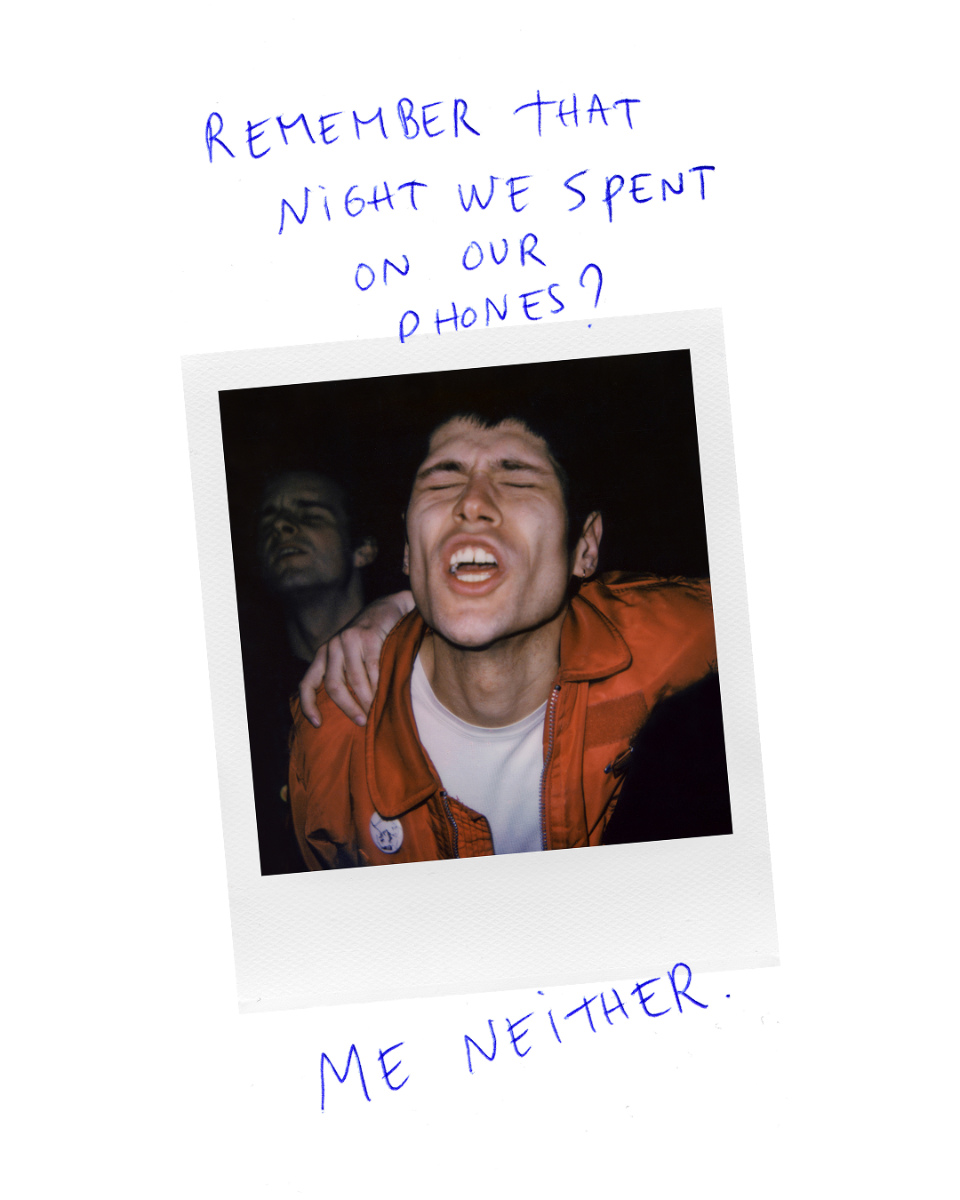
Polaroid ad campaign samples

The AI debate as a whole kind of annoys me, but I do find value in dialogues centered around our collective humanity and what that means, because I think it should be the central focus of all this. The potential impact of AI (or advanced LLMs, whatever you want to call them) could touch on just about every aspect of modern civilization—but there’s no way I’m gonna trust those who could profit from this saying it’ll all be, ‘for the better.’
On the industrial side, it’s not that automation is usually a bad thing in regards to pushing civilization forward, but when it comes to economics, it can create turmoil if the system society exists within doesn’t look out for its people. If computers run the show and we still live under a capitalist system, how do the economics work out as jobs could disappear from media to healthcare to shipping? Silicon Valley openly jokes about a permanent underclass, but that’s a very real possibility if the current economic model remains as all resources are funneled into technological development as opposed to human services.
Creatively speaking the whole thing is a fucking joke. The outright theft of the collective cultural history of humanity in order to create heartless visuals and sounds is criminal—both in the law of the land and the law of nature. Anthropic destroying rare books because it’s the easiest way to scan them to train AI models is so on-the-nose evil it wouldn’t make the script of a blockbuster movie. The things that make us human—the tangled relationships between ideas, labor, production, and objects—are being completely disregarded for this idea of creating a future that embraces a new era of subjugation and control instead of growing into a state of egalitarianism.
I think that’s the most enraging part of all of this. Regardless of what part of the AI debate is being scrutinized, the human benefits are largely abstracted and obfuscated—there are quips about the end of money or a complete reformation on how we work, but no dialogue about how those processes might actually work to benefit people. No one can convince me that those who are fully invested in AI as the future aren’t some of the most evil people to have ever lived, looking out only for their own stake in a hyper-violent, automated future and willing to dispose of not only everything we’ve collectively created since the dawn of time but also a majority of the lives on earth for the sake of a few dollars.