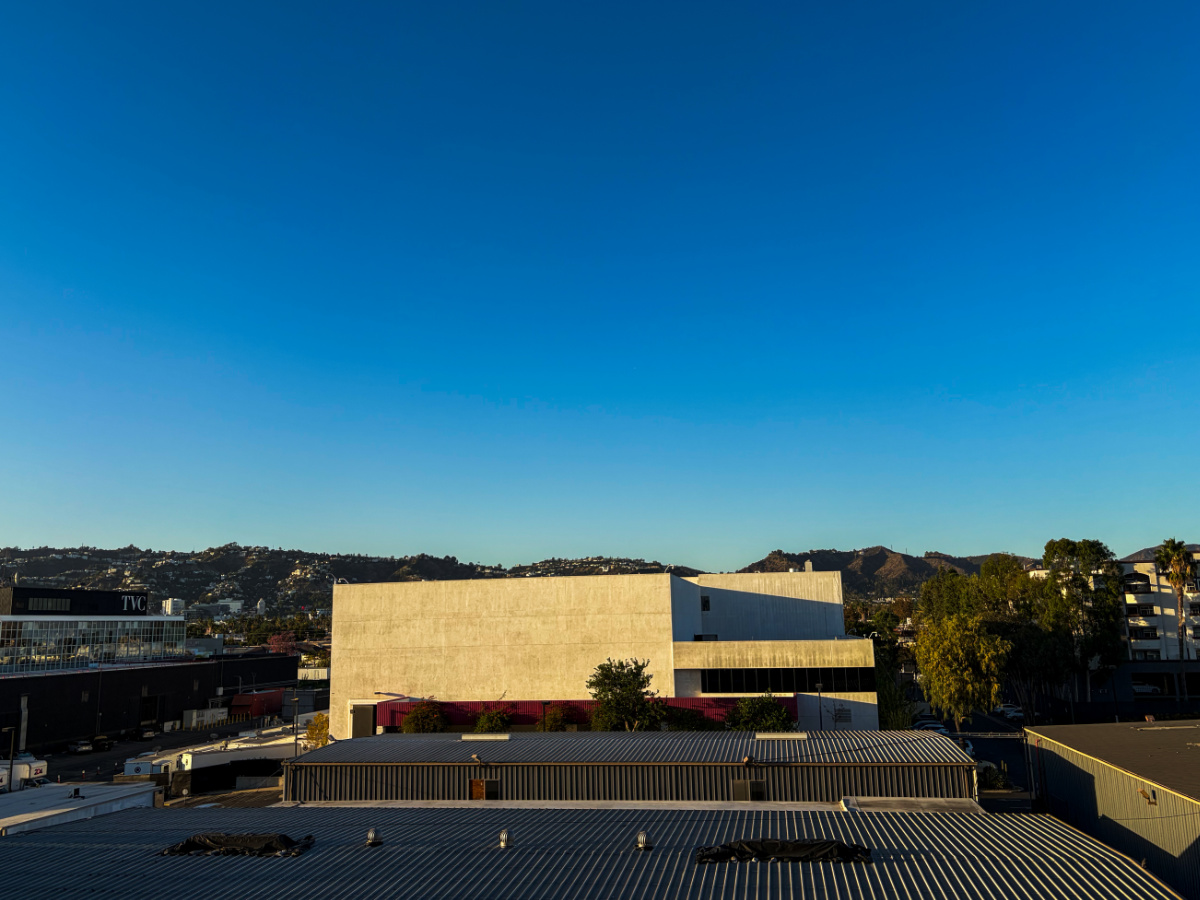
The view from here
The view from here
A view from The Grove parking lot after seeing You Can See Everything. I don’t even know what to say after this film, I just needed a post to document how much my head is in the sky was after seeing this. Just a juggernaut of a film that has so many levels I don’t even know where to start. I don’t think I’ve ever seen something like this and it will be on my mind for a long time.
I hate The Grove. It’s one of two gaudy, outdoor malls in Los Angeles by a billionaire who lost the race for mayor four years ago (the other being The Americana). In the past, I’ve found myself at the latter to catch a movie in the middle of the day because it’s down the street from my mechanic and I’d need to kill a couple hours while my car was in the shop. The Grove, though, I avoided at all costs.
Now, I can’t. At least not if I want to see a new movie.
Since theaters re-opened in 2021 or 2022, I’ve been using AMC’s A-List membership. I see a shit-ton of movies and the cost pays for itself if I go just twice a month. However, I’ve also lived in East Hollywood that whole time—just a 12-minute drive from the Burbank multiplex with its 30 screens and free parking.
A couple months ago, I moved into what is basically my dream place. There’s really nothing to complain about—except now that I’m in Westlake, Burbank is a much further drive and now the closest AMC theater is at The Grove, with its 14 screens and $6 parking.
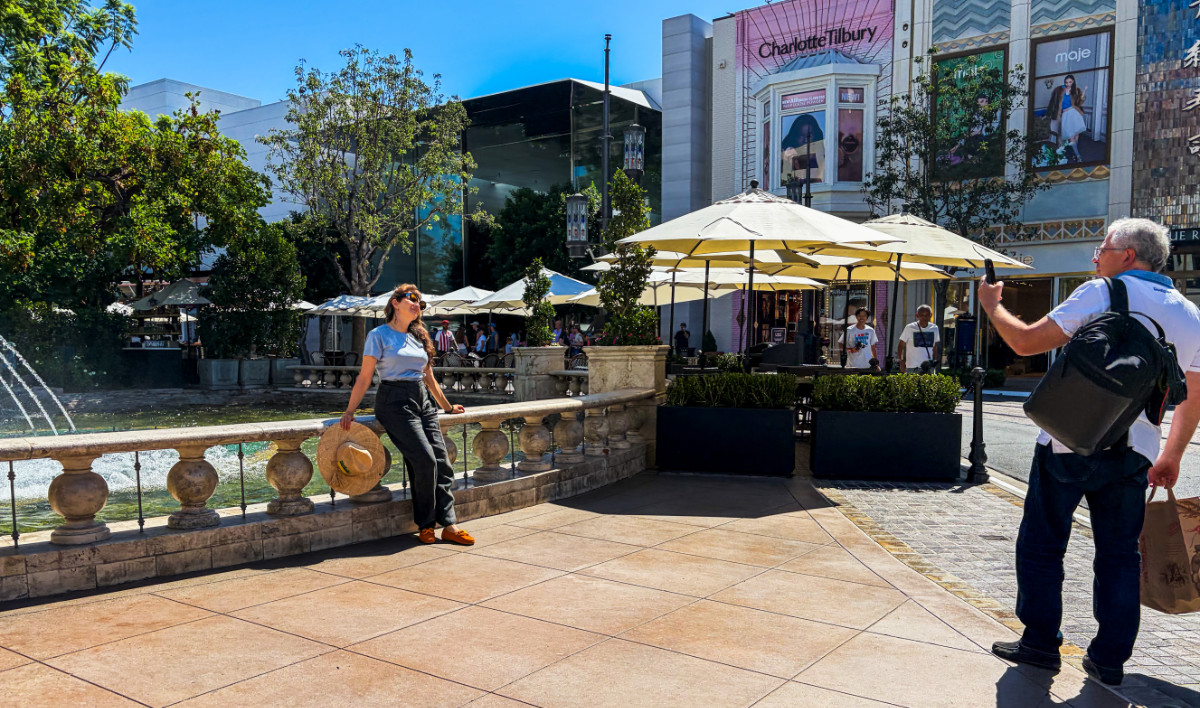
An afternoon at The Grove
There are any number of reasons I hate this place. An outpost of capitalism, there’s a kind of faux classiness to it all. There are ‘luxury’ stores but the experience of being at one of these malls is anything but. It’s the shopping center version of pleather. (Kind of ironic given Rodeo Drive is just three miles west, down Third to Beverly Hills.)
One thing going to The Grove does for me though, is that it reminds me how different people can be. It’s a real removal from my comfort zone. I walk around completely confused as to how people of all ages go to this place willingly and un-ironically, just to like, hang out. It is mystifying.
Consumerism in America is so central to national identity that places like The Grove really make me think about how the notion of what you want at a material level seeps in to every aspect of life—how being presented with certain options is disguised as being catered to, and what that means for how we view our politics. These sorts of places use the model of collective gathering to spur on the notion of individualism, and I think that’s far more destructive to the human condition of living in the United States than the specific economic model of capitalism (though the two are inextricably linked).
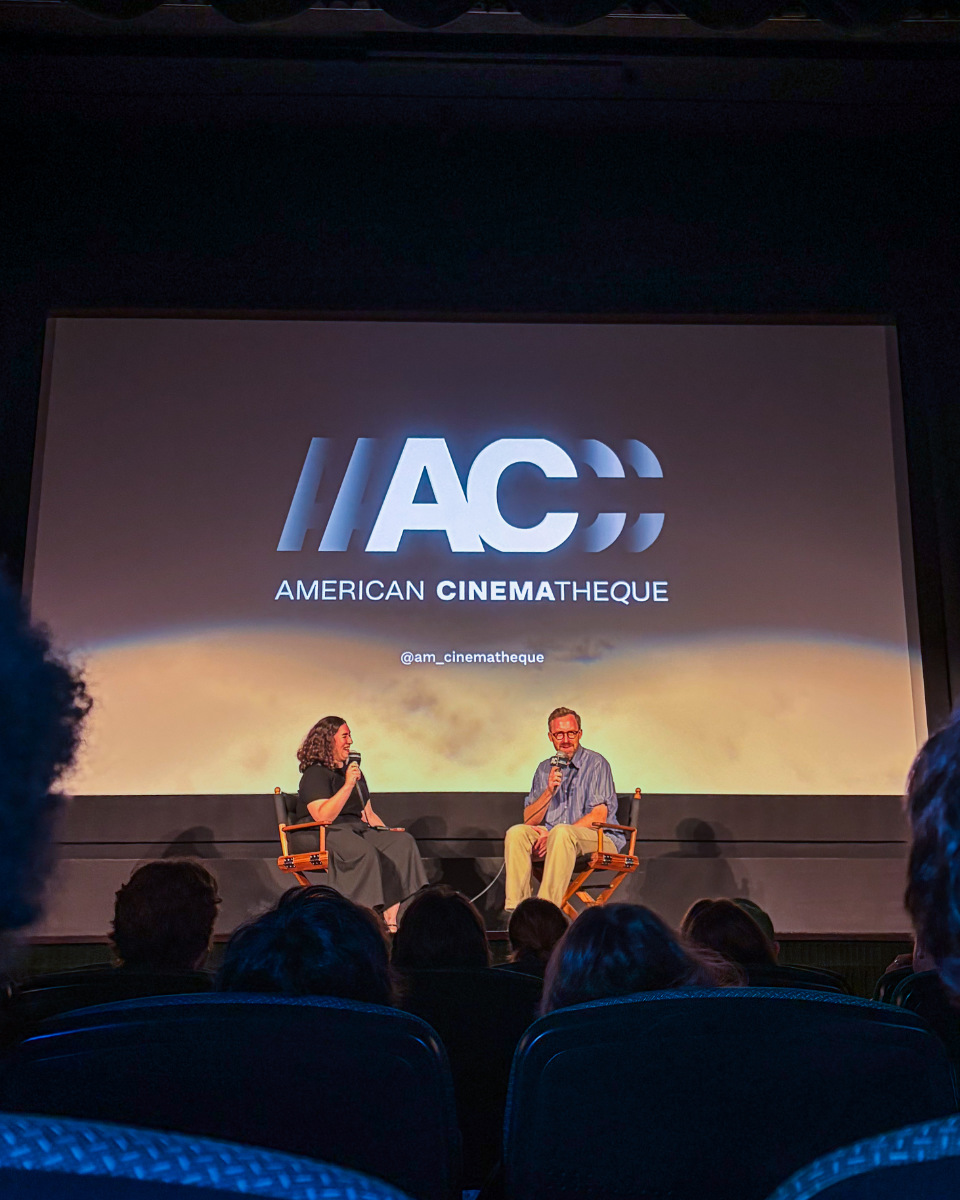
Q+A with John Wilson
Had the opportunity last night to see an advance screening of The History of Concrete featuring a brief Q&A session with John Wilson afterward. I’ve written before about what a joy theatrical experiences are in Los Angeles, and this certainly was no different. Waiting in line outside the theater beforehand, a guy drove by yelling, “Fuck yeah John Wilson!” out his window. A Gen-Z woman on the corner waiting for some tacos yelled toward us, “I’m jealous of every single person waiting in that line.” It was a good vibe.
Some would argue that the weather and the water are what makes living in LA worth the steep cost of living. Some might say that there’s a lot of opportunity. Some would say there’s just a lot going on. None would be wrong. It’s so expansive, both literally and metaphorically, that you can really just take what you want and leave the rest. While it’s probably nice to be a movie star and live in such a place without having to care about gas prices, the city offers up plenty for people who aren’t in the one percent. It’s still a good place to just be.
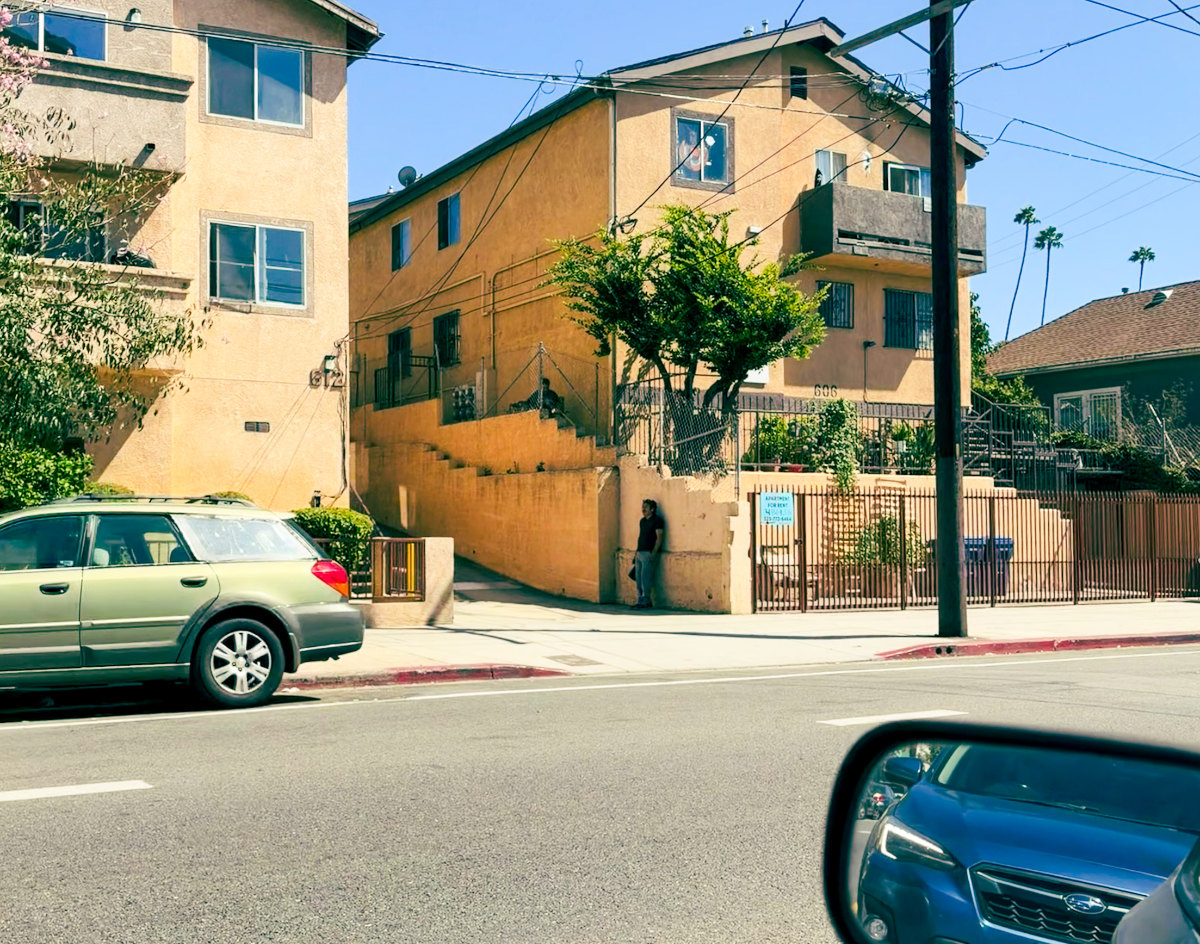
Alone in Virgil Village
Yet gas prices are a concern for many. There are more than a couple crises facing the city right now being debated in the lingering mayoral election (go Nithya). But the larger, national issues that a mayor has no power over are hitting hard here.
I was driving down Virgil and passed a Sinclair gas station with a line into the street of waiting cars because they were selling gas for $5.79 a gallon—which is the cheapest I’ve seen in the past few weeks. As the threads of the economy are being pulled apart by profiteers everywhere, I kind of wonder how this will play out in such a sprawling, only-kind-of-interconnected metropolis with an outsized police budget.
It does feel like we’re in the last moments of musical chairs, except there are like two chairs and three hundred people trying to grab a seat. There’s no telling what chaos will ensue when the dominoes start to fall at scale, and it’ll probably hit different everywhere. A city like San Francisco, condensed and contained by geography, will respond to public discontent with measures that won’t work in LA’s sprawl. That discontent will be difficult to measure as well, because class solidarity doesn’t really begin to take hold until a large majority of people can’t afford to just be where they’re at.
So I’m trying to enjoy these fun little movie screenings while I can, because it certainly feels like this is all going really bad and is going to get much worse in the not-too-distant future, and I have no clue what living in a city like Los Angeles is going to be like if gas hits ten bucks a gallon and all the restaurants shutter, but I can’t imagine it will be the fun kind of vibe I enjoyed last night.
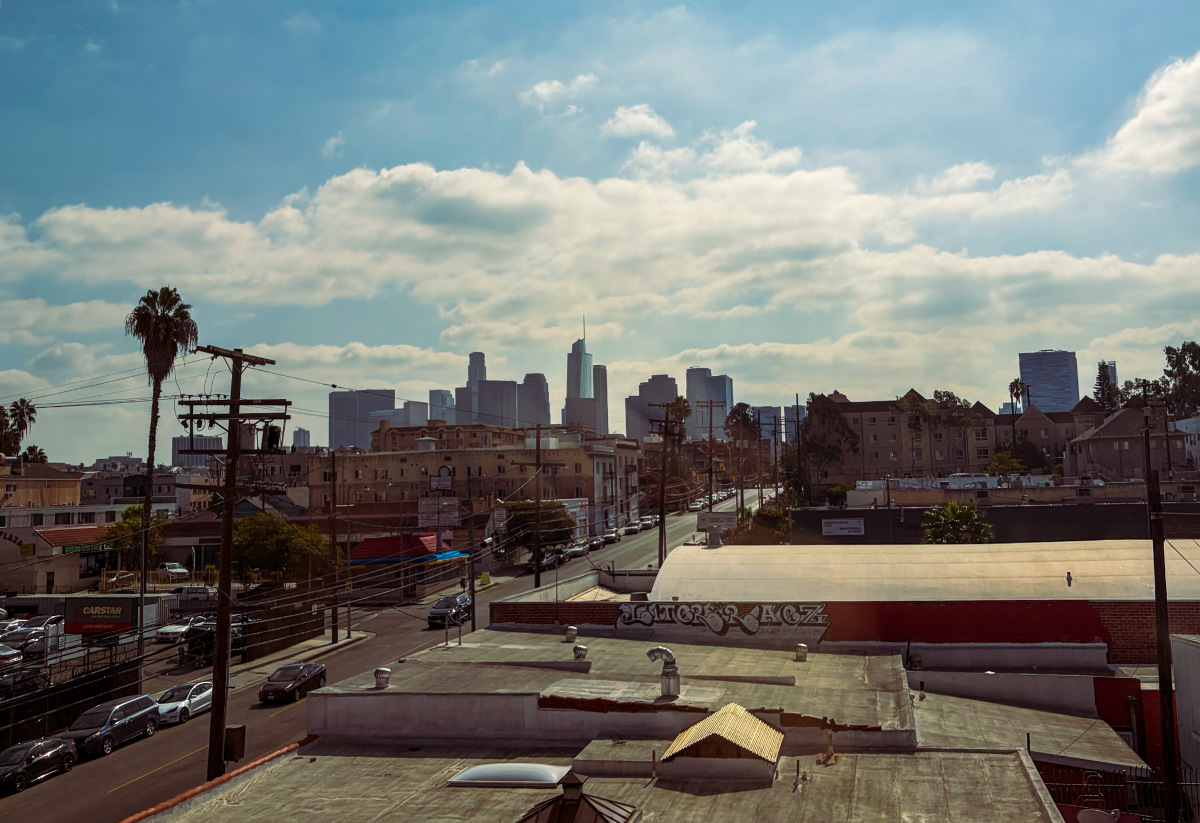
Laundry room views
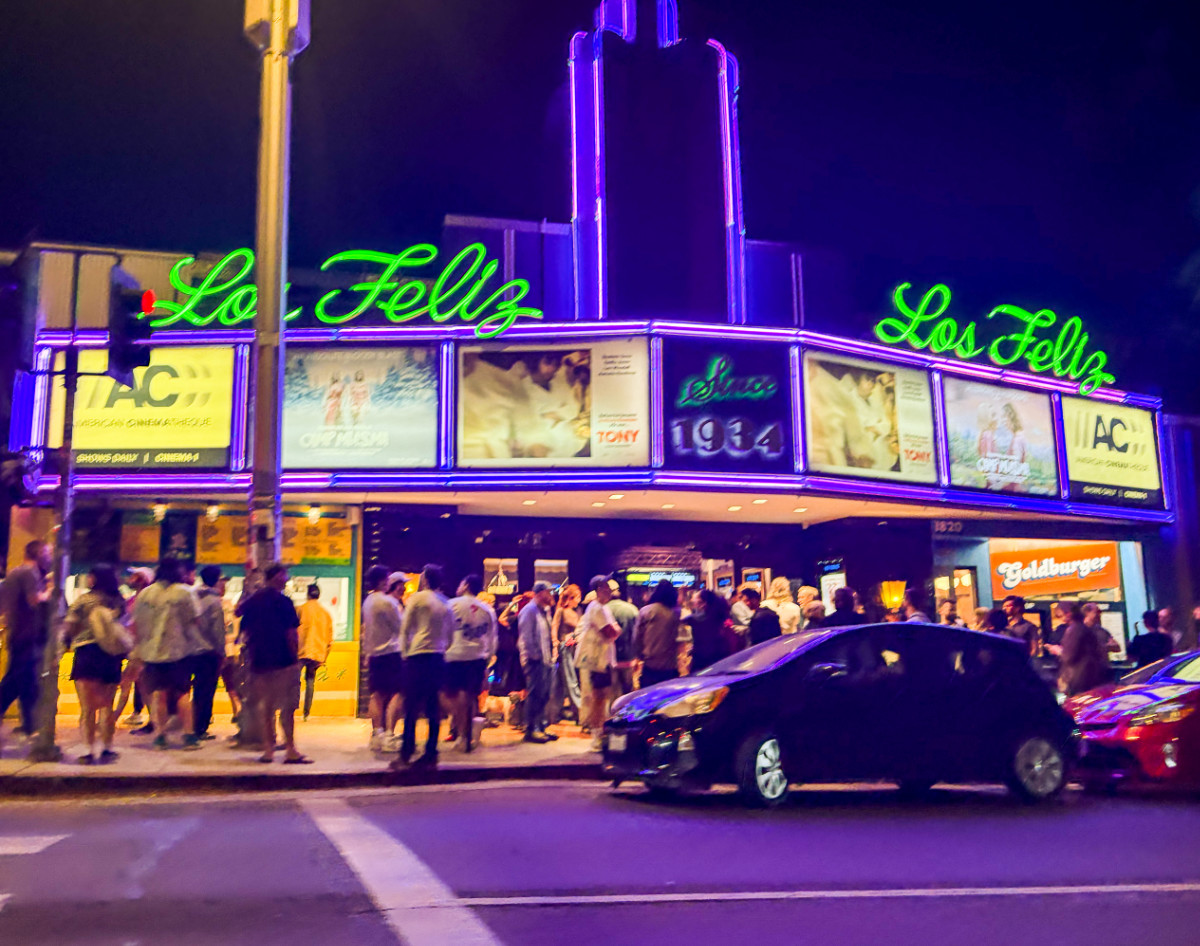
Los Feliz 3
I should preface this by saying, I’ve been finishing up a nine-song solo album that I’ve been working on for a few months now. There are a few loose ends to tie up, but for the most part, it’s done. Or it was.

Oxygen Masks was ready to go
Last night completely by chance I saw Jean-Luc Godard’s 1987 film, King Lear. I had no clue what was in store for me. I won’t really try to describe the experience, partly because I can’t yet. But it was just one of those unexpected experiences with art that completely caught me off-guard.
About halfway through the film, which was just as much a pleasure to listen to as it was to watch, this album I’ve been working on sprang to mind and I thought, I need to deconstruct my process for making music and start this entire project over. And so I have.
To me, this is the function of great art. Great art can be subjective, as well—for me, it’s a Godard film, but for someone else it could be a Picasso painting or a Bad Religion song. Whatever it is, something about it rewires the way you think about things, about yourself, about the world. It makes you approach life differently.
Watching this film, I realized I’d been approaching music—in what I play, how I play it, how I write and record it—everything—in a way that I don’t really identify with anymore. It’s comfortable and unfamiliar at the same time. I haven’t been pushing myself, and the results are generally good enough—and what I realized last night, sitting in this theater, was that good enough is actually not that at all.
So I am starting from square one, unsure of how to move forward or what I’ll end up producing, but I know it just can’t be what I was going for. I hope it will be weird.